
California consumers face serious threats from debt collectors, identity thieves, and credit reporting errors every day. Finding the best consumer protection attorney can mean the difference between recovering what you’re owed and losing thousands of dollars.
At Bontrager Law, we’ve helped countless Californians fight back against unfair practices and protect their rights. This guide shows you exactly what to look for when selecting the right lawyer for your situation.
What Separates Strong Consumer Protection Attorneys from the Rest
Beware of attorneys who promise slam dunks or guarantee specific dollar amounts before reviewing your case. These red flags signal inexperience or desperation. The strongest consumer protection attorneys in California acknowledge realistic timelines and outcomes while demonstrating genuine confidence in their approach. Look for lawyers who ask detailed questions about your situation rather than rushing to conclusions. Patient listening matters more than flashy marketing. A competent attorney should reconstruct your experiences into a persuasive narrative that resonates with judges and juries, not just file paperwork. This requires substantial resources-firms must hire expert witnesses, conduct focus groups, and create polished trial exhibits to separate themselves from underfunded competitors. The CFPB’s enforcement actions illustrate this point: in 2024 alone, the agency secured over $4.5 billion in consumer redress through cases handled by firms with deep pockets and proven litigation strategies.
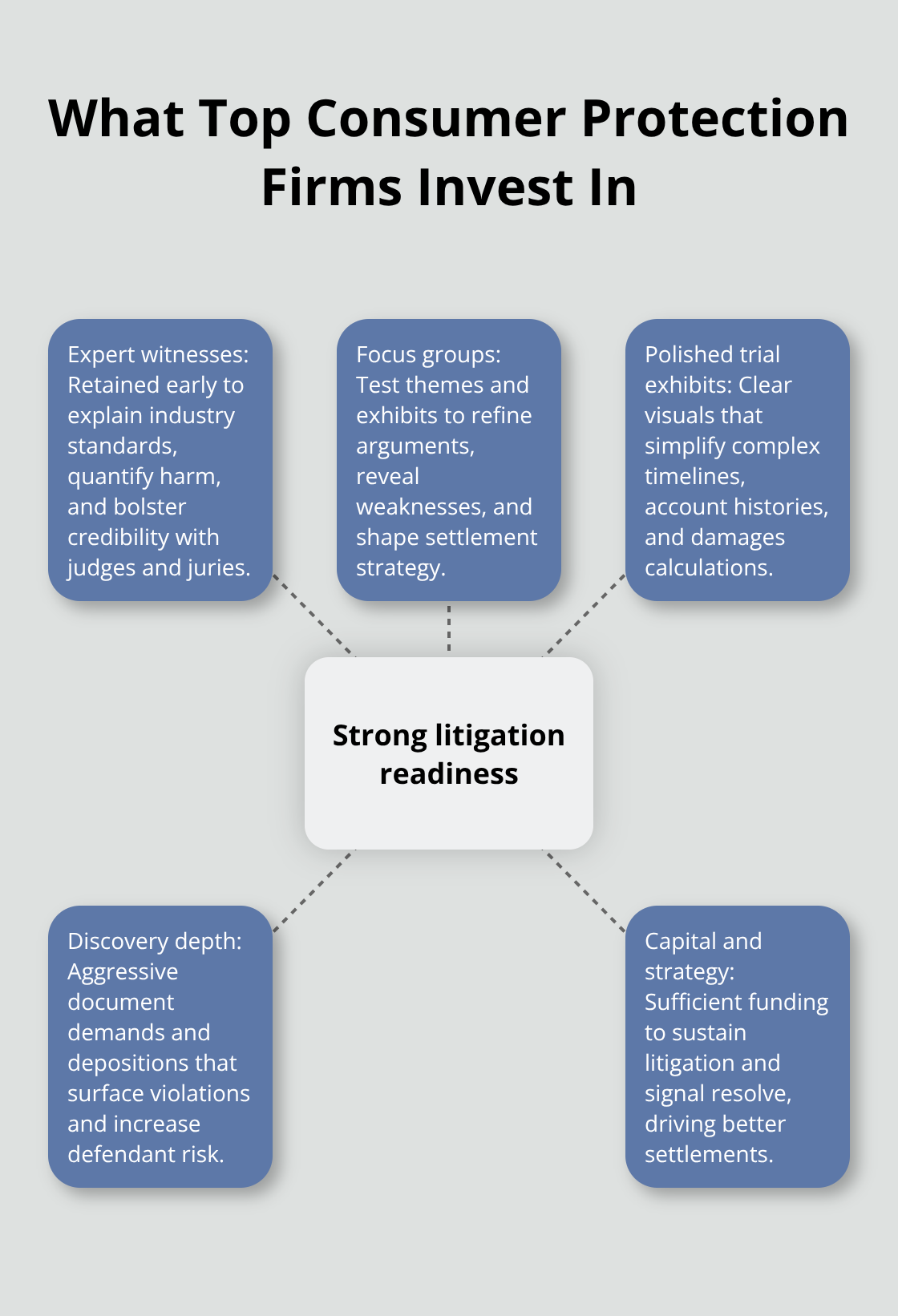
When you evaluate potential representation, request specific examples of past cases similar to yours and ask how much the firm invested in those cases to achieve results. Avoid vague references to “numerous settlements” without concrete details.
Verify Track Records with Written Documentation
Request written documentation of settlements or judgments, not just verbal claims. A credible attorney provides case summaries with actual dollar amounts recovered for clients with similar claims. If an attorney hesitates to share specifics, that’s a warning sign. Check the State Bar of California’s attorney profile system to confirm licensing status and review any disciplinary history. The Best Lawyers platform and similar peer-reviewed directories recognize California consumer protection practitioners based on feedback from other attorneys, offering additional credibility signals. Ask directly how many cases the firm has litigated versus settled and what percentage of claims resulted in favorable outcomes. Firms handling identity theft, credit reporting disputes, or unlawful debt collection should demonstrate familiarity with specific California statutes and federal laws like the Fair Credit Reporting Act and Fair Debt Collection Practices Act.
Understand Fee Structures and Cost Responsibility
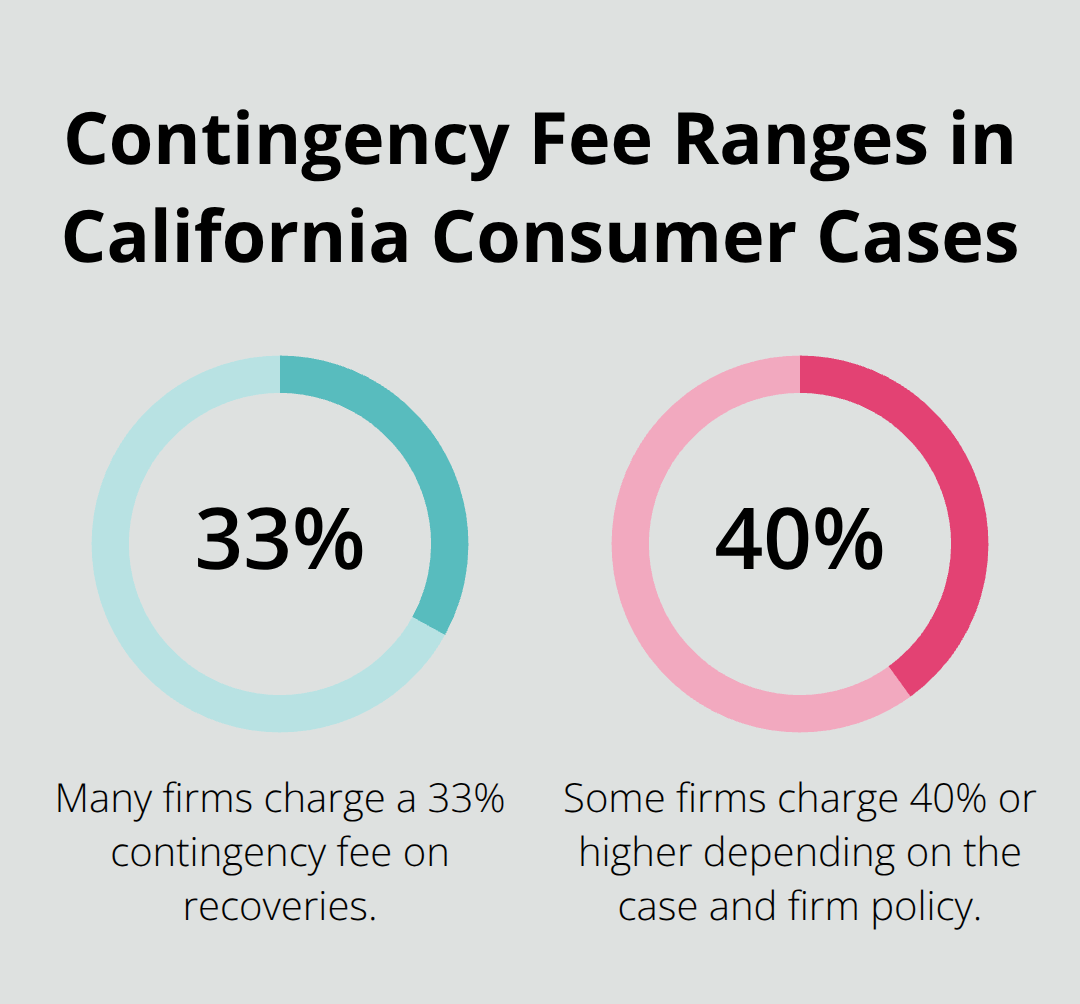
Transparent pricing matters enormously. Most California consumer protection attorneys work on contingency, meaning they collect fees only if you recover money. This alignment incentivizes them to pursue strong cases. However, the contingency percentage varies: some charge 33 percent, others 40 percent or higher. Ask whether the firm advances costs for filing fees, expert testimony, or discovery. Some firms shift these expenses to clients; others absorb them. The difference can mean thousands of dollars in your pocket or out of it.
Request a written fee agreement spelling out exactly what percentage the firm takes, what costs you’re responsible for, and whether the firm handles appeals without additional fees. Avoid attorneys who pressure you into signing agreements immediately or who use vague language about costs. If an attorney cannot explain their fee structure clearly, they’re not the right fit for your case.
Move Forward with Confidence in Your Selection
You now understand what separates attorneys who deliver real results from those who rely on empty promises. The next section examines the specific consumer protection issues that plague California residents-credit reporting errors, identity theft, and unlawful debt collection-so you can assess whether a potential attorney has the right background for your claim.
Three Consumer Issues That Drain California Bank Accounts
Credit Reporting Errors Cost You Money Every Day
Credit reporting errors hit California residents hardest because they damage your financial future before you realize the harm. Inaccurate negative marks on your credit report can lower your score by 100 points or more, according to the Consumer Financial Protection Bureau, which directly increases interest rates on mortgages, auto loans, and credit cards. A lender reports a late payment that never happened or lists a debt you already paid, and you lose money every single day the error persists. The Fair Credit Reporting Act gives you the right to dispute inaccurate information, but credit bureaus often ignore disputes or fail to properly investigate. Consumers who attempt DIY disputes waste months getting nowhere while damage accumulates.
Identity Theft Spreads Faster Than Most Victims Realize
The real problem surfaces when you apply for a home loan and discover your score dropped 120 points due to a fraudulent account opened in your name-this is identity theft, and it requires immediate legal action. Identity thieves exploit California residents through data breaches, phishing schemes, and account takeovers. The FTC reported that identity theft complaints exceeded 2.6 million in 2023, with financial losses totaling over $10 billion nationally. California residents lose approximately $1,500 per identity theft case on average before catching the fraud. Criminals open credit cards, take out loans, and drain bank accounts using stolen personal information. Many victims spend years restoring their credit and financial reputation.
Debt Collectors Violate Federal Law Repeatedly
Unlawful debt collection practices compound these problems when collectors pursue debts tied to identity theft or pursue debts you’ve already settled. Debt collectors frequently violate the Fair Debt Collection Practices Act by calling before 8 a.m., contacting your workplace despite knowing you’re employed there, threatening legal action they cannot take, and reporting debts to credit bureaus after you’ve paid them. The CFPB found that debt collection complaints ranked among the top consumer grievances filed with the agency, with thousands reporting harassment and false debt claims annually.
What Your Attorney Must Do to Win
These three issues share a common thread: they require aggressive legal representation to stop ongoing harm and recover losses. A California consumer protection attorney must understand the specific statutes that govern each issue-the Fair Credit Reporting Act for credit disputes, state identity theft laws for fraud cases, and the Fair Debt Collection Practices Act for collector abuse. Your attorney should demand written verification of any debt before engaging with collectors, file disputes with credit bureaus on your behalf, and pursue damages when creditors or collectors refuse to comply with federal law. The strongest attorneys document every violation, calculate damages based on actual financial harm plus statutory damages available under California law, and force settlements that cover your losses plus attorney fees.
Selecting an attorney with specific experience handling these three claim types matters enormously-a generalist cannot navigate the technical requirements needed to win. The next section examines what separates attorneys who understand these statutes from those who lack the necessary background to protect your rights.
Why the Right Attorney Determines Your Financial Recovery
The difference between hiring the right attorney and settling for an inadequate one shows up in your bank account within months. When you work with an attorney who understands California consumer protection statutes inside and out, you recover money that other lawyers miss entirely. Consider what happens with credit reporting disputes: a skilled attorney knows the Fair Credit Reporting Act requires credit bureaus to investigate disputes within 30 days and remove inaccurate information or face statutory damages of up to $1,000 per violation, plus actual damages and attorney fees. An attorney unfamiliar with these damage provisions might settle a case for $5,000 when the actual recovery should reach $25,000 or more. The CFPB data shows consumers who hire representation in credit reporting cases recover significantly more than those attempting DIY disputes or working with inexperienced counsel.
Identity theft cases present similar recovery gaps. When a thief opens accounts in your name, California law allows you to recover all fraudulent charges plus statutory damages. An attorney who fails to calculate the full scope of identity theft losses leaves thousands on the table. Debt collection cases work the same way: the Fair Debt Collection Practices Act permits damages of up to $1,000 per violation, and collectors typically commit multiple violations in a single case. One harassing phone call before 8 a.m., another call to your workplace, a false threat of lawsuit-that’s three separate violations worth $3,000 in statutory damages alone, before calculating actual harm to your reputation or emotional distress.
Inexperienced Attorneys Create Expensive Mistakes
Attorneys without deep consumer protection experience make critical errors that destroy case value. They fail to preserve evidence of violations, miss statute of limitations deadlines that bar recovery entirely, or accept settlement offers that undervalue claims. Some inexperienced attorneys negotiate directly with collectors or creditors without demanding written verification of debts first, which weakens your legal position substantially. Others file disputes with credit bureaus incorrectly, allowing bureaus to dismiss them without proper investigation. These mistakes cost you thousands in lost recovery and years of financial damage from inaccurate credit reporting.
The strongest consumer protection attorneys document every violation meticulously, calculate damages using both statutory and actual harm provisions, and refuse settlement offers that undervalue your claim. They understand that California courts recognize both the direct financial losses from identity theft or unlawful collection and the statutory damages designed to punish corporate misconduct. This dual-recovery approach separates attorneys who truly protect your rights from those collecting paychecks without delivering results.
Active Defense Protects Rights That Corporations Ignore
You hold substantial legal rights under California and federal consumer protection laws, but these rights evaporate without aggressive representation. The Fair Credit Reporting Act, Fair Debt Collection Practices Act, and California identity theft statutes exist specifically to compensate you when corporations or collectors violate them. However, credit bureaus ignore disputes regularly, collectors continue harassment despite cease-and-desist letters, and creditors misrepresent debts unless an attorney forces compliance through litigation.
Passive representation that accepts initial settlement offers or fails to pursue all available damages leaves your rights undefended. The strongest attorneys demand written verification of debts before engaging collectors, file formal disputes that credit bureaus cannot dismiss casually, and escalate to litigation when settlement negotiations stall. This active approach costs more upfront in attorney time and resources but returns substantially higher compensation. When you select an attorney, ask directly whether they will litigate your case if necessary or whether they primarily settle. Attorneys willing to take cases to trial command better settlements because defendants know litigation costs them more than reasonable compensation.
Settlement Leverage Comes from Litigation Readiness
Defendants and creditors negotiate seriously only when they face real trial risk. An attorney who threatens litigation without the resources or willingness to follow through loses all negotiating power. The strongest firms invest in expert witnesses, discovery, and trial preparation from the beginning of each case (not just when settlement fails).
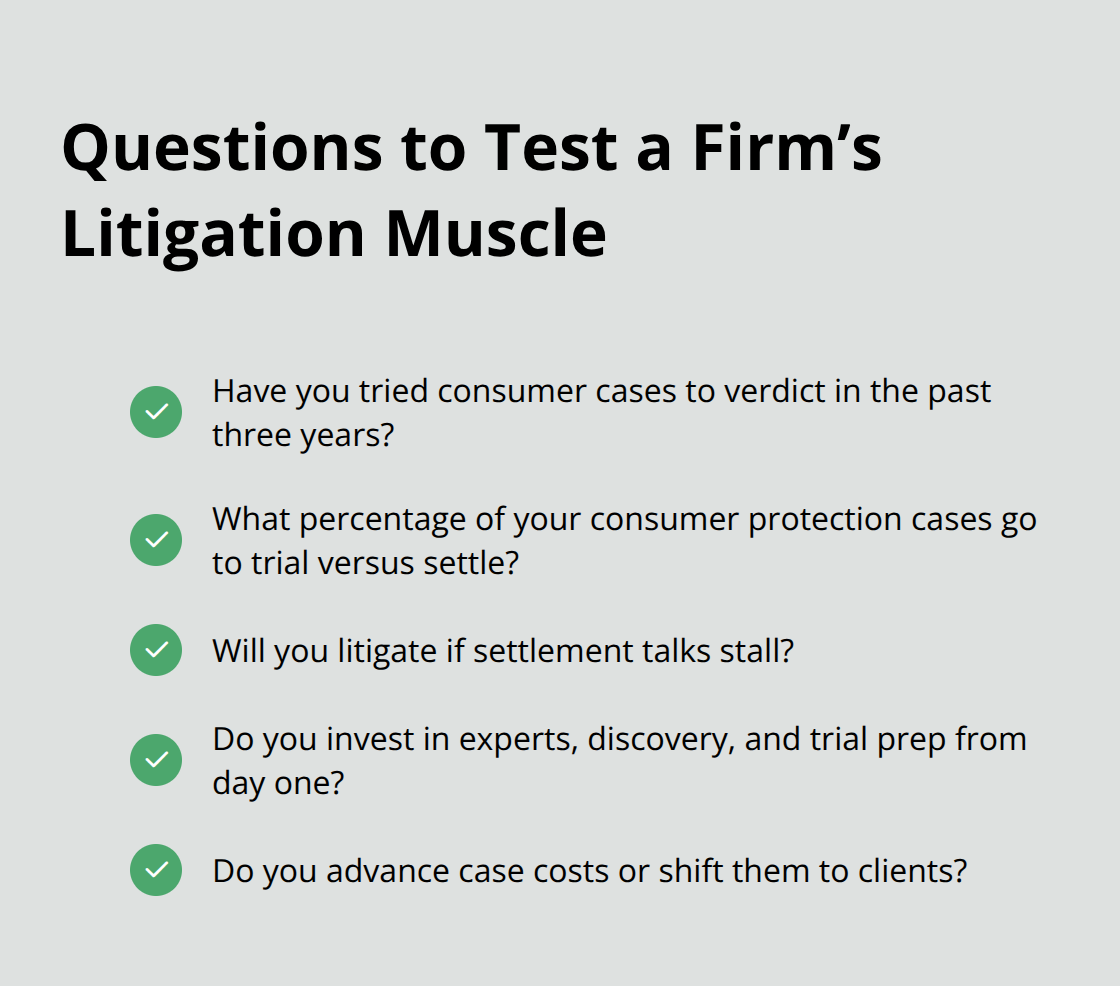
This investment signals to opposing counsel that you’re serious about recovery, which accelerates favorable settlements. Weak firms that lack resources or trial experience accept lowball offers because they cannot afford prolonged litigation. You should ask potential attorneys whether their firm has tried cases to verdict in the past three years and what percentage of their consumer protection cases reach trial versus settlement. This question separates attorneys with real litigation capacity from those who talk tough but fold under pressure.
Final Thoughts
You now have the framework to identify a best consumer protection attorney who fights for your actual recovery, not corporate convenience. The strongest candidates demonstrate three core qualities: a documented track record of substantial settlements and judgments in cases matching yours, deep familiarity with the specific statutes governing credit reporting, identity theft, and debt collection, and transparent fee structures that align their financial incentives with your recovery. Request written proof of past results, ask whether they will litigate if necessary, and verify they understand the statutory damages available under the Fair Credit Reporting Act and Fair Debt Collection Practices Act.
Your next step is straightforward: contact a California consumer protection firm with proven experience handling claims identical to yours. Ask about their litigation history, request case summaries with actual dollar amounts recovered, and confirm they advance costs rather than shifting expenses to you. The consultation should feel like a conversation where the attorney listens carefully to your situation rather than pitching a predetermined solution.
At Bontrager Law, we represent California residents in credit reporting disputes, identity theft cases, unlawful debt collection, and related claims against banks, collectors, and large corporations. Contact Bontrager Law to discuss your situation and learn what recovery is actually possible in your case.