
Creditors sometimes cross the line from collecting debts to harassment. When they call repeatedly, threaten you, or contact you at work without permission, they’re breaking California law.
At Bontrager Law, we help residents understand their rights and fight back against these illegal tactics. This guide walks you through what constitutes harassment, how to document it, and what legal options you have.
What Constitutes Illegal Creditor Harassment Under California Law
Repeated Contact That Crosses Into Harassment
California law sets strict boundaries on how debt collectors can contact you, and violations happen more often than most people realize. The Fair Debt Collection Practices Act and California’s own debt collection statutes prohibit repeated calls within short timeframes, threats of legal action they won’t take, and contact at your workplace or during unreasonable hours. A creditor calling you five times in a single day crosses into harassment territory. The Consumer Financial Protection Bureau receives thousands of complaints annually about excessive contact, with many coming from California residents who didn’t know they had legal recourse.
Many collectors deliberately test boundaries because they know most people won’t fight back. They operate with the assumption that residents lack the time or knowledge to document violations and file complaints.
Threats and Abusive Language
Threats represent particularly serious violations. If a collector tells you they’ll arrest you, seize your home, or take your wages without following proper legal procedures first, that action violates California law. Collectors cannot threaten jail time for owing consumer debt-period. This applies regardless of the debt amount or how long you’ve owed it.
Abusive language, including profanity or statements designed to humiliate you in front of others, also violates both federal and state law. California courts take these violations seriously and hold collectors accountable for intentional emotional harm.
Workplace Contact and Timing Violations
Contacting you at work presents another clear violation when you’ve told them your employer prohibits such calls or when you’ve specifically requested they stop. If you work in an environment where collection calls damage your professional reputation or job security, collectors must respect that boundary once you communicate it.
The timing of calls matters too-calls before 8 a.m. or after 9 p.m. without your permission violate federal law, and California courts enforce these protections strictly. Collectors who ignore these time restrictions face legal consequences.
Building Your Documentation
The moment you recognize a pattern of excessive contact, threats, or workplace calls, you must document everything with dates, times, caller names, and what was said. This documentation becomes your foundation for legal action and complaint filings with the California Attorney General or Consumer Financial Protection Bureau. Your records transform vague frustration into concrete evidence that holds collectors accountable.
Understanding what constitutes harassment is the first step-but knowing your rights under federal and state law gives you the power to act.
Your Legal Protections Against Debt Collector Violations
What the Fair Debt Collection Practices Act Guarantees
The Fair Debt Collection Practices Act sets explicit limits on how often collectors can contact you. Collectors cannot call you more than once per day or seven times per week regarding the same debt-these are hard legal boundaries, not guidelines. If a collector violates this rule, you have grounds for legal action.
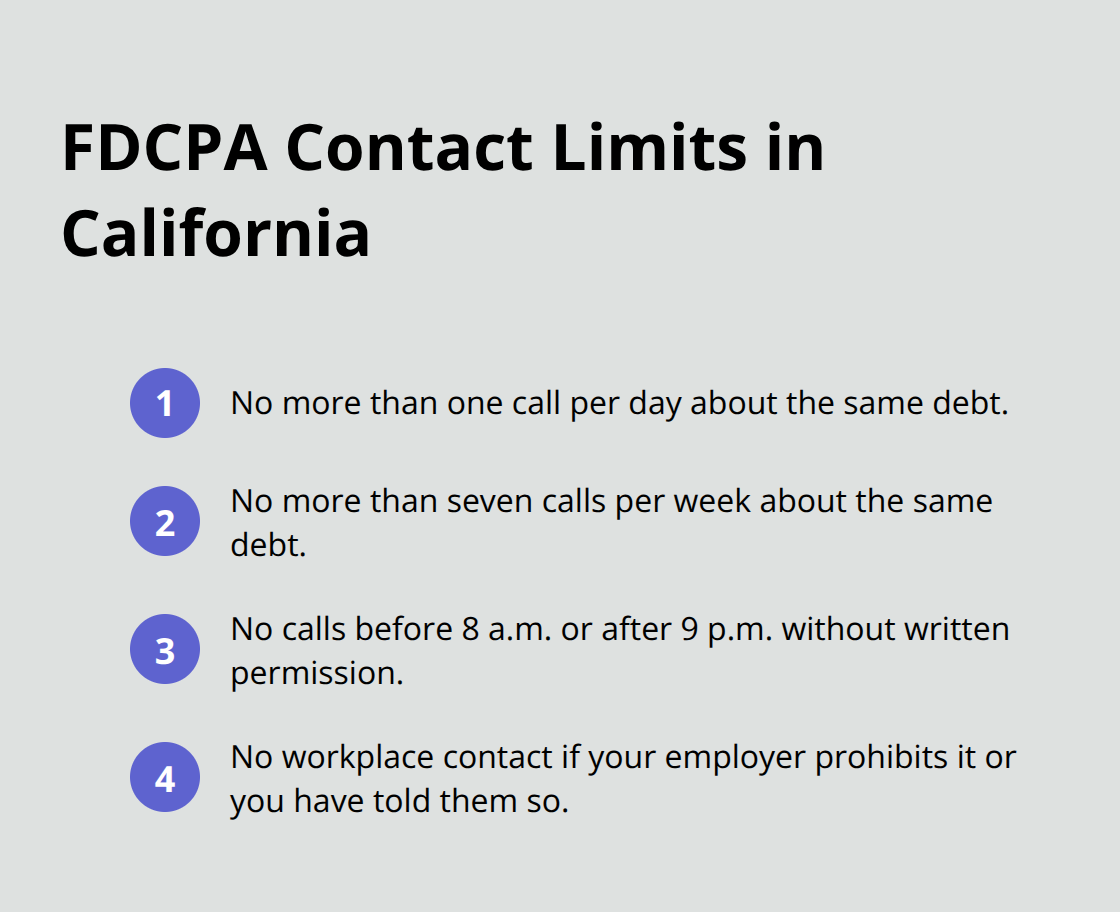
California amplifies these protections with its own debt collection laws, which prohibit calls before 8 a.m. or after 9 p.m. unless you’ve given written permission. Collectors also cannot contact you at work if your employer prohibits it or if you’ve told them your employer does.
Your Right to Stop All Contact
The moment you send a written request demanding collectors stop contacting you, they must cease all communication except to confirm they’ve stopped or to notify you of specific legal action like filing a lawsuit. This is not a suggestion-it’s a legal requirement. Many collectors ignore cease-and-desist letters, hoping you won’t follow through, but having that written demand in your records strengthens any complaint or lawsuit you file later.
Your Right to Challenge the Debt
You have the right to dispute any debt and demand verification within 30 days of the collector’s initial contact. Collectors must provide proof the debt is actually yours, that the amount is correct, and that they have the legal right to collect it. If they cannot verify the debt, they must stop collection attempts immediately. California courts have ruled repeatedly that collectors who cannot produce verification documents face liability for violations.
Building Your Paper Trail
Keep copies of everything you send-your cease-and-desist letter, your debt dispute request, any evidence showing the debt isn’t yours or the amount is wrong. Use certified mail with return receipts and retain those receipts. If a collector continues harassing you after you’ve sent a written cease-and-desist demand or after you’ve disputed the debt in writing, that action constitutes a separate violation with additional legal consequences.
The documentation you create now becomes your foundation for holding collectors accountable-and it’s what you’ll need when you report violations to legal aid and federal authorities.
How to Document and Report Creditor Harassment
Create a Detailed Record of Each Violation
Start documenting immediately when you notice a pattern of excessive contact or threats. Write down the date, time, phone number, caller’s name, and exactly what was said during each interaction. Your phone carrier’s call log provides timestamps, but your own written record matters more in legal proceedings because it shows you were paying attention and taking the violations seriously. The Consumer Financial Protection Bureau reports that documentation quality directly impacts case outcomes-residents with detailed, contemporaneous records win disputes far more often than those relying on memory alone.
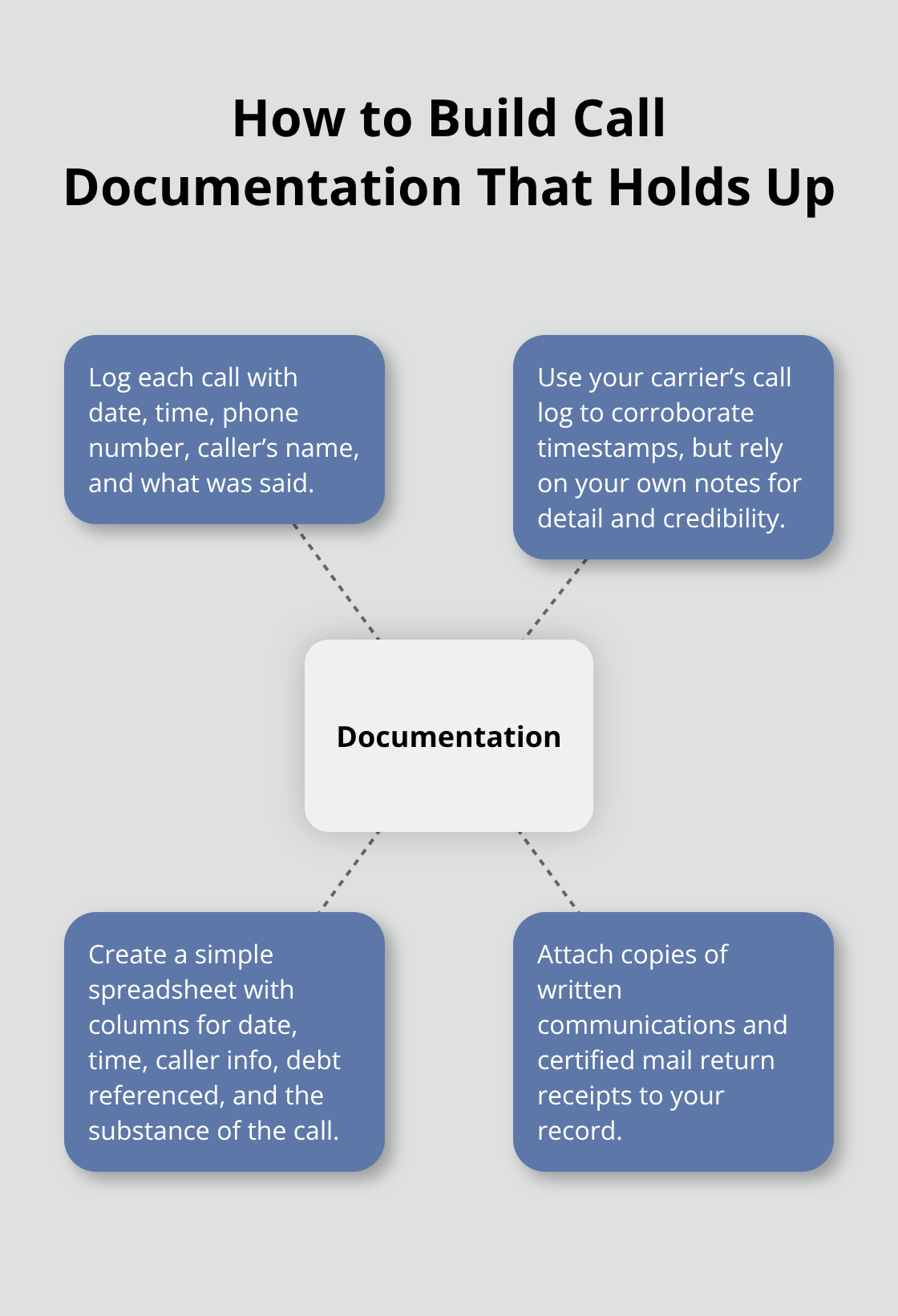
Create a simple spreadsheet with columns for date, time, caller information, debt referenced, and the substance of the call. This takes five minutes per incident but becomes invaluable when filing complaints or pursuing legal action.
File Complaints with State and Federal Agencies
File a complaint with the California Attorney General’s office and the Consumer Financial Protection Bureau simultaneously. California’s Attorney General has recovered millions for residents harassed by debt collectors, and your complaint contributes to their enforcement actions against repeat violators. The CFPB complaint database is public, meaning multiple complaints against the same collector strengthen enforcement priorities.
Submit your complaint online at the CFPB website within 60 days of the most recent violation if possible, though older violations still matter. Include your documentation, copies of any written communications you sent to the collector, and a clear narrative of what happened. The CFPB typically responds within 15 business days with confirmation, then forwards your complaint to the collector for their response.
Understand the Limits of Agency Action
Don’t expect immediate action from either agency-their role is building patterns across complaints, not resolving individual cases quickly. Your real leverage comes from combining agency complaints with private legal action. Collectors who ignore cease-and-desist letters or continue harassing you after disputes face compounding liability, making your documentation the foundation for meaningful recovery.
Under the Fair Debt Collection Practices Act, you can recover actual damages plus statutory penalties of up to $1,000 per violation through a lawsuit. This means a collector who makes ten illegal calls after you’ve sent a written cease-and-desist demand could owe you $10,000 in statutory penalties alone, separate from any actual damages you suffered. Bontrager Law, a Los Angeles-based consumer protection firm with nearly 20 years of experience, represents California residents pursuing these violations directly through lawsuits where recovery is possible.
Final Thoughts
California law provides strong protections against harassment by creditors, and you hold real power when collectors cross the line. The Fair Debt Collection Practices Act combined with California’s own statutes grant you concrete rights: the right to stop contact, the right to dispute debts, and the right to hold collectors accountable through legal action. Your documentation transforms individual frustrations into evidence that courts recognize and agencies act on.
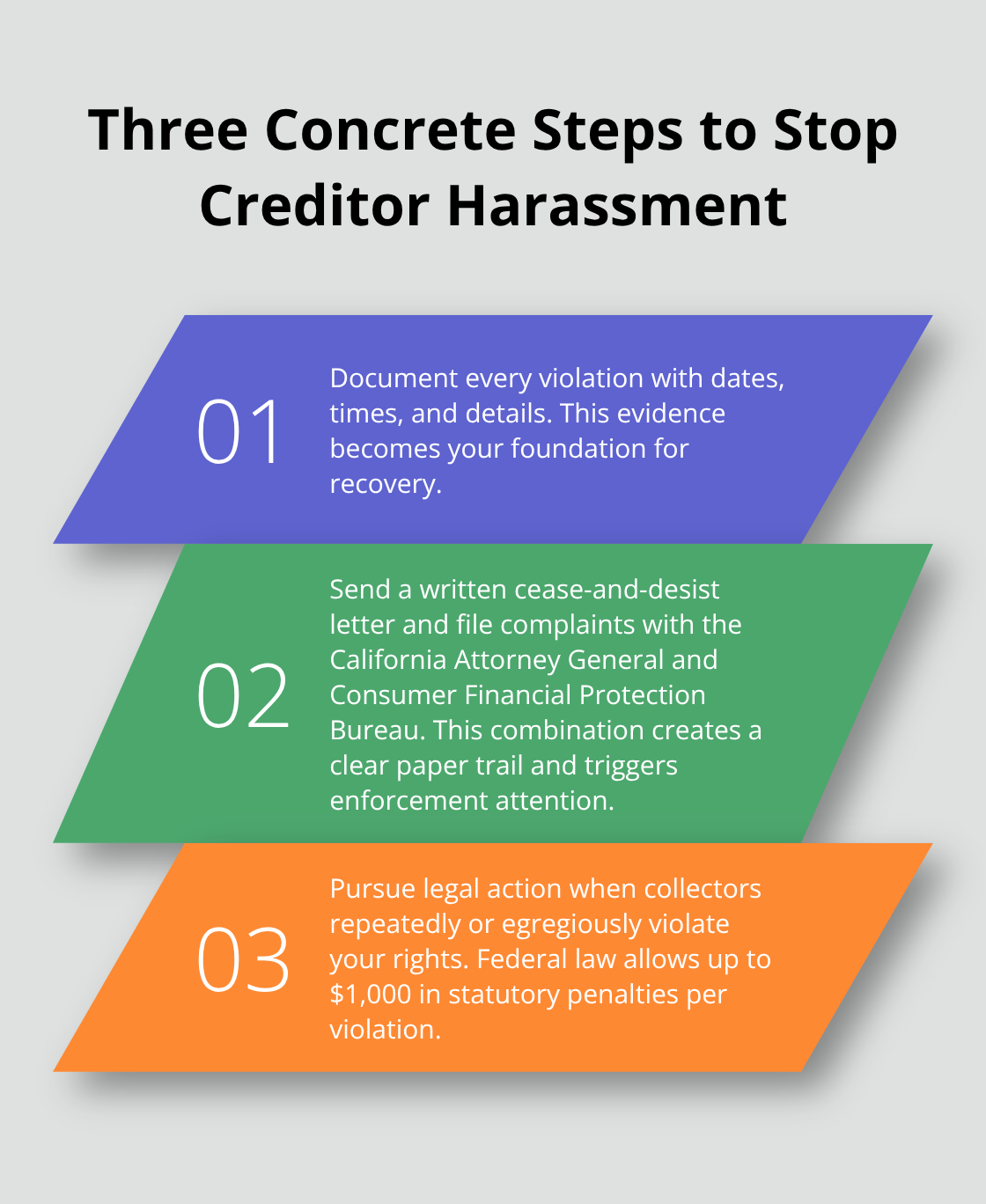
The path forward requires three concrete steps that produce results. First, document every violation with dates, times, and details-this evidence becomes your foundation for recovery. Second, send a written cease-and-desist letter and file complaints with the California Attorney General and Consumer Financial Protection Bureau. Third, pursue legal action where collectors have violated your rights repeatedly or egregiously, since federal law allows you to recover up to $1,000 in statutory penalties per violation.
We at Bontrager Law represent California residents fighting back against unlawful debt collection practices. A free case review lets you understand exactly what violations occurred, what your claims are worth, and what recovery is realistic for your situation. Contact us to discuss your options if collectors have harassed you repeatedly, threatened you illegally, or contacted you at work without permission.