
Financial companies and debt collectors often exploit San Francisco residents who don’t know their rights. Unfair credit reporting, aggressive collection tactics, and predatory lending practices happen more often than you’d think.
A San Francisco consumer protection attorney can help you fight back and recover what you’re owed. We at Bontrager Law have helped countless residents hold corporations accountable and protect their financial futures.
What Consumer Protection Laws Protect San Francisco Residents
The Fair Credit Reporting Act Gives You Real Power
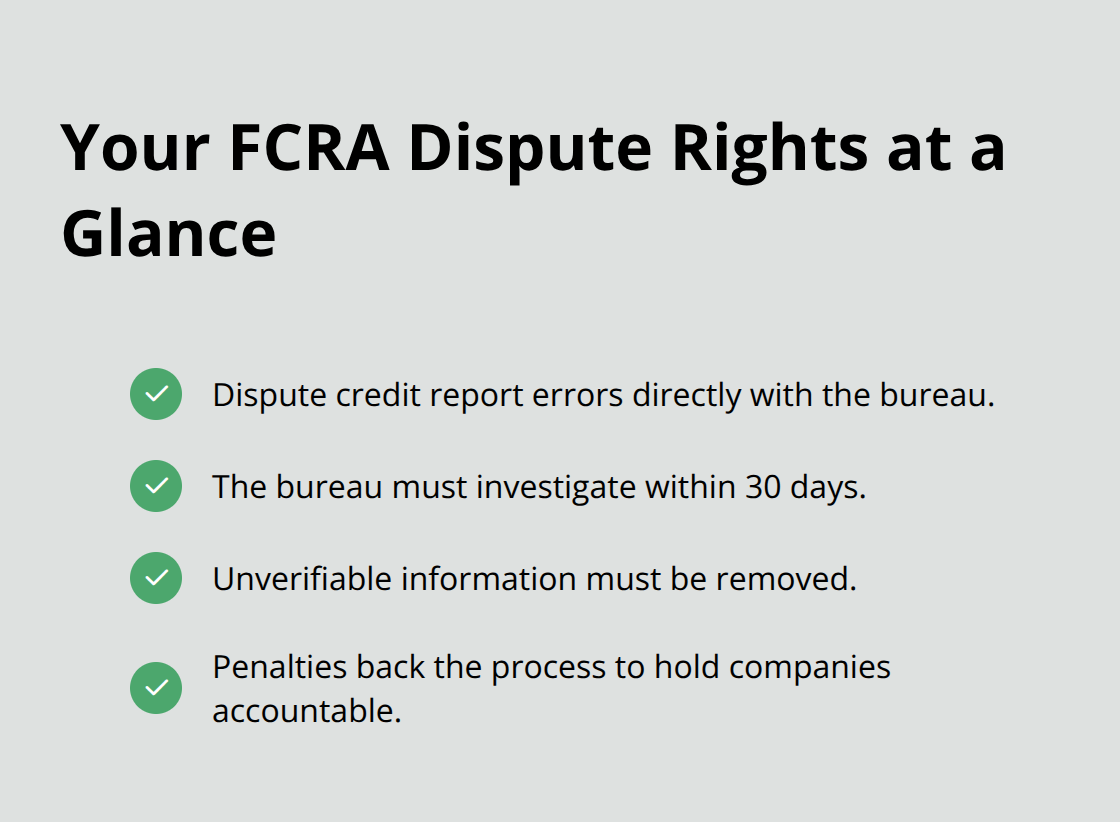
Federal law sets strict rules for how companies collect, use, and report your credit information. If a creditor or collector reports false information about you, you have the right to dispute it directly with the credit bureau. The Federal Trade Commission found that one in five Americans has an error on at least one of their three credit reports, and many of those errors damage credit scores and borrowing ability.
When you dispute inaccurate information, the bureau must investigate within 30 days and remove anything they cannot verify. This process works because the law backs it up with penalties that hurt companies financially.
Debt Collectors Face Real Consequences for Violations
The Fair Debt Collection Practices Act prohibits collectors from calling before 8 a.m. or after 9 p.m., harassing you at work if your employer objects, threatening illegal actions, or contacting third parties about your debt. Collectors violate this law constantly, and each violation can cost them $1,000 per incident plus your actual damages.
Most residents don’t realize they have leverage because they assume corporations have better resources. That assumption is backwards. When a company violates these laws, it becomes a defendant, not a powerful player. You control whether to settle or fight, and many cases settle quickly once a company knows you have legal representation.
California’s Additional Protections Go Further
California goes further than federal law in protecting residents. State law requires lenders to disclose all loan terms clearly before you sign anything, prohibits prepayment penalties on most loans, and gives you the right to cancel certain contracts within three days.
California also has strict identity theft notification laws requiring companies to tell you immediately if your personal information is compromised. The state allows you to place a security freeze on your credit report for free, which stops criminals from opening accounts in your name.
Your Right to Sue and Recover Damages
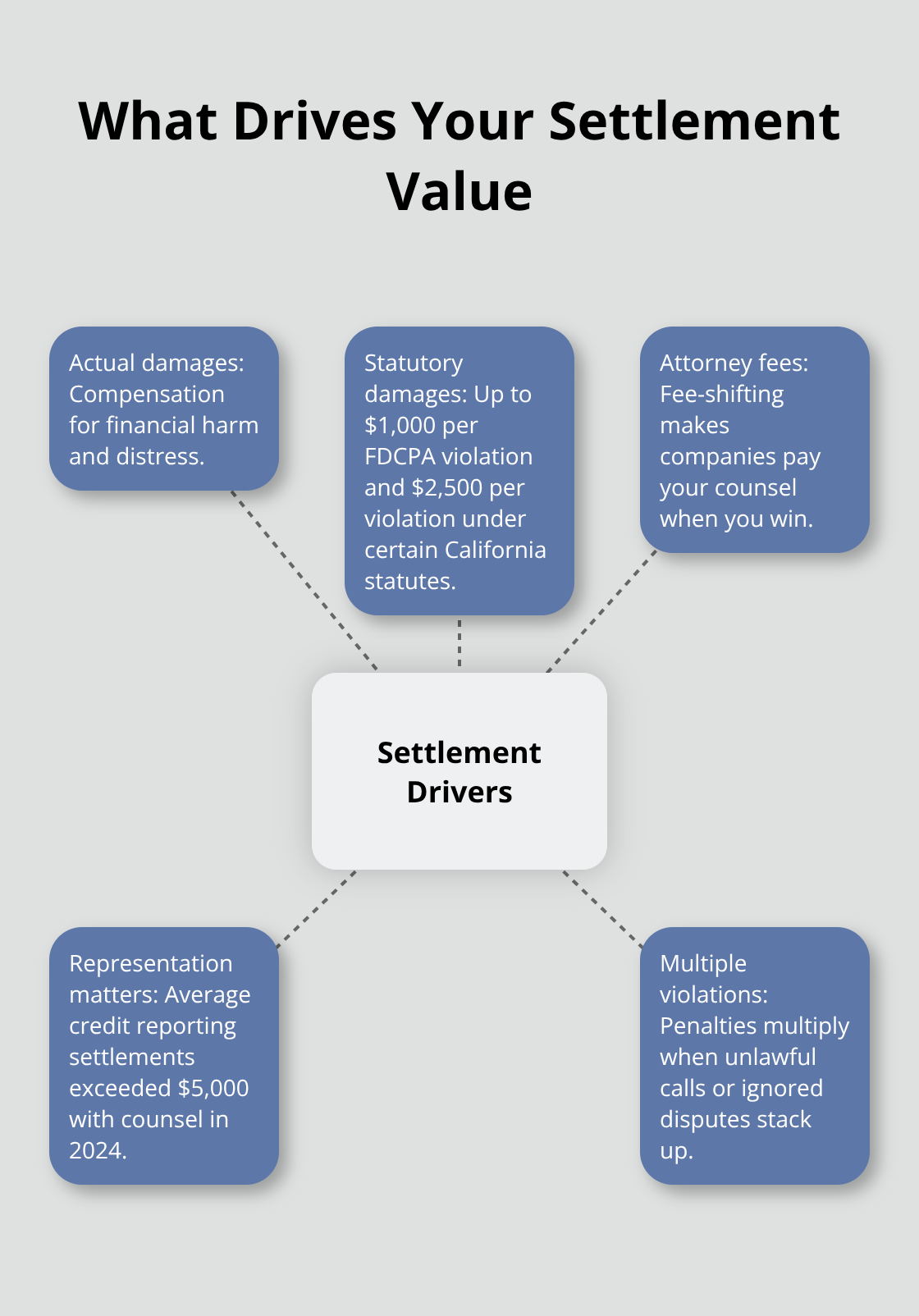
Federal law allows you to recover actual damages, statutory damages up to $1,000 per violation, and attorney fees if you win. California’s consumer protection statutes are even more aggressive, sometimes allowing penalties of $2,500 per violation. The strongest protection comes from knowing you can sue and that the law backs your claim with real money.
These laws exist because financial companies and debt collectors exploit residents who don’t know their rights. Now that you understand what protections apply to you, the next step is recognizing when companies actually violate these rules.
Common Financial Issues San Francisco Consumers Face
Credit Reporting Errors Wreck Your Financial Future
Credit reporting errors destroy lives in San Francisco every single day. The Consumer Financial Protection Bureau reported that 26 million Americans dispute errors on their credit reports annually, yet most never take action because they don’t know how. When a collector reports a debt you already paid, or a creditor lists an account that isn’t yours, your credit score tanks immediately. San Francisco residents lose access to mortgages, car loans, and rental applications because of false information sitting on their reports.
Credit bureaus often ignore dispute letters from individuals. They respond with form letters claiming they investigated when they barely looked at your case. This pattern repeats constantly, which is why having someone fight back on your behalf changes everything.
Debt Collectors Cross Legal Lines Repeatedly
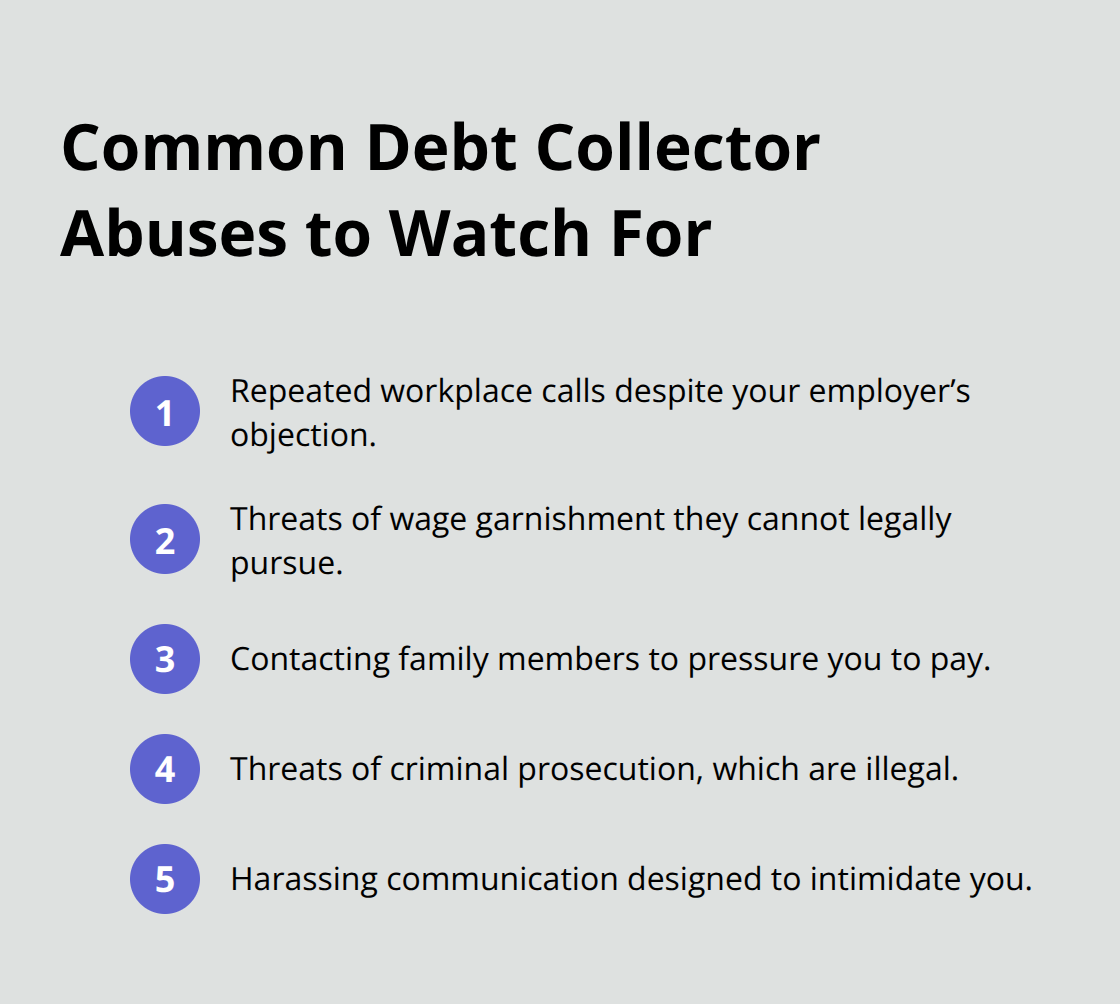
Debt collectors in San Francisco operate with shocking aggression. The Consumer Financial Protection Bureau received over 125,000 complaints about debt collection in 2024, and California residents filed a disproportionate share. Collectors call your workplace repeatedly even after you tell them your employer objects. They threaten wage garnishment they cannot legally pursue. They contact your family members to pressure you into paying. Some threaten criminal prosecution, which is completely illegal.
These violations happen because collectors know most people won’t hire an attorney over a debt dispute. They bet on your silence and count on residents not understanding the Fair Debt Collection Practices Act protections that apply to them.
Predatory Lending Traps Residents in Debt Cycles
Predatory lending hits San Francisco’s lower-income neighborhoods particularly hard. Payday lenders charge annual interest rates exceeding 400 percent, trapping residents in cycles of debt they cannot escape. Auto title loans operate the same way, putting your vehicle at risk for relatively small amounts borrowed. Mortgage servicers mishandle loan modifications, falsely claiming you didn’t submit required documents when you did. Property tax loan schemes prey on seniors facing foreclosure.
Each of these schemes exploits a specific financial vulnerability, and San Francisco residents lose thousands annually to these practices. Without aggressive legal representation to push back, these companies continue their violations unchecked. Understanding how these violations work is the first step toward fighting back-and knowing which attorney can actually hold these corporations accountable is the second.
How a Consumer Protection Attorney Wins Your Case
Investigation Uncovers Violations Hidden in Plain Sight
A consumer protection attorney treats the financial company or debt collector as the defendant they actually are, not as an untouchable corporation. The first step involves pulling your credit reports, reviewing all collection documents, and identifying exactly where the law was broken. Most violations hide in plain sight-a collector called you at work after your employer objected, or a credit bureau ignored your dispute letter within the required 30-day window, or a lender failed to disclose loan terms before you signed.
Your attorney obtains phone records showing when calls came through, bank statements proving you already paid the debt, and correspondence showing the company ignored your requests. This documentation becomes the foundation of your case because it proves violation, not opinion. Many residents assume they need a dramatic smoking gun, but the law provides specific remedies for technical violations. A single unlawful call from a debt collector creates liability under the Fair Debt Collection Practices Act. A credit bureau’s failure to investigate your dispute properly violates the Fair Credit Reporting Act. These are not gray areas-they are clear breaches with financial consequences for the company.
Settlement Negotiations Shift When Companies Face Real Liability
Settlement negotiations change dramatically once a company knows you have legal representation and documentation. Most debt collectors immediately shift from aggressive tactics to settlement discussions because they understand the cost of litigation and the real penalties they face. Cases often settle within weeks because the company calculates that paying now costs less than fighting and losing.
You recover actual damages for what happened to you, statutory damages the law provides regardless of your actual losses, and attorney fees. In 2024, the Consumer Financial Protection Bureau reported that the average settlement in credit reporting cases exceeded $5,000 per case when represented by counsel, compared to minimal recoveries when residents negotiated alone. California’s aggressive consumer protection laws sometimes allow penalties of $2,500 per violation, which multiplies quickly when a collector made ten unlawful calls or a credit bureau ignored multiple dispute letters.
The company’s goal becomes making you go away quietly and cheaply. Your goal becomes holding them accountable and recovering what you deserve. These interests align perfectly in settlement because the company wants to avoid trial and you want compensation without years of litigation.
Final Thoughts
Financial companies and debt collectors count on San Francisco residents staying silent and assuming they lack power. That assumption costs them money when you take action with proper legal representation. A San Francisco consumer protection attorney levels the playing field immediately by shifting the company from aggressive tactics to settlement discussions the moment they understand you have documentation of their violations.
Local representation matters because your attorney understands California’s specific protections and how San Francisco courts handle these cases. They know which violations companies commit repeatedly in your area, what settlements typically look like, and when to push for more. Most importantly, they know that your case has real value because the law backs it with actual damages, statutory penalties, and attorney fees.
Gather your credit reports, collection letters, phone records, and any documentation showing the company violated your rights. Write down dates when collectors called your workplace or contacted family members, and note any false information on your credit report. Contact Bontrager Law for a free case review-you describe what happened, they evaluate whether the company broke the law, and you move forward with representation if your case has merit.