
Your credit report shapes your financial future, yet most people never actually read it. Errors on your file can cost you thousands in higher interest rates or denied loans.
We at Bontrager Law help people read credit reports confidently and fix the mistakes that hurt their finances. This guide walks you through spotting errors, understanding what they mean, and taking action to correct them.
Understanding Your Credit Report
What’s Actually on Your Credit Report
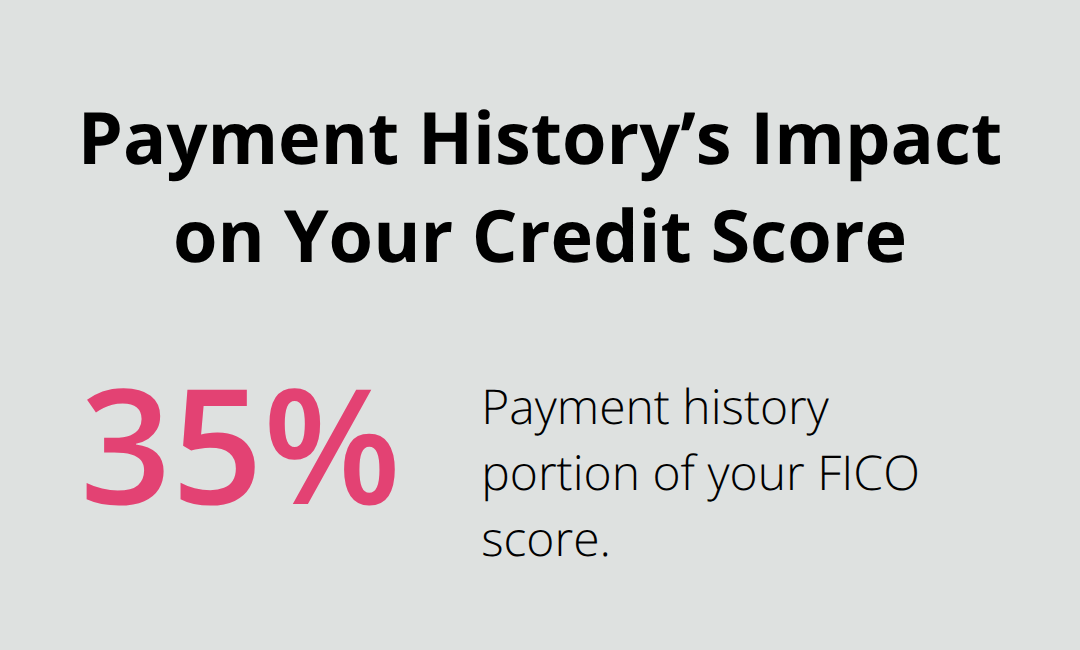
Your credit report contains four main sections that lenders examine when deciding whether to approve you for a loan or credit card. The first section lists your personal information: name, address, Social Security number, and employment history. The second section shows your payment history, which accounts for 35% of your credit score according to the Fair Isaac Corporation. This includes every credit account you’ve opened, how much you owe, and whether you’ve paid on time. The third section displays your credit utilization-how much of your available credit you’re currently using.
The fourth section contains inquiries, public records, and collection accounts. Errors in any of these sections can tank your credit score. A single missed payment reported incorrectly can lower your score by 100 points or more.
How the Three Major Credit Bureaus Collect Your Data
Equifax, Experian, and TransUnion collect information from creditors, lenders, and public records. They receive data directly from your creditors and lenders through automated feeds, typically updated monthly. Banks report your payment history, credit card companies submit your balances, and mortgage lenders send loan information. Public records like bankruptcies, tax liens, and court judgments also appear on your report through courthouse databases.
The bureaus don’t verify the accuracy of what they receive-they simply organize and report it. A creditor might misreport your account number, confuse your payment with someone else’s, or fail to update your balance after you’ve paid it down. The bureaus have no obligation to investigate these errors before adding them to your file. This is why approximately 1 in 4 credit reports contain mistakes, according to the Federal Trade Commission.
Why Errors on Your Report Cost Real Money
Interest rates on mortgages, auto loans, and credit cards depend heavily on your credit score, which comes directly from your credit report. A person with a 620 credit score pays roughly 2-3% more in interest on a 30-year mortgage compared to someone with a 760 score, costing them over $100,000 extra over the life of the loan. Landlords also pull credit reports before approving rental applications. Utility companies, insurance providers, and employers increasingly check credit files too.
An error on your report doesn’t just affect your ability to borrow-it can cost you housing, employment opportunities, and thousands in higher interest payments. This is why spotting these mistakes matters so much. If incorrect information remains on your credit report after you have disputed it, legal action may be an option. The next section walks you through identifying the specific errors that appear most often and the red flags that signal fraud or reporting mistakes.
What Credit Report Errors Actually Look Like
The Most Common Mistakes on Your File
The Federal Trade Commission found that roughly 1 in 4 credit reports contain at least one error, but many people never spot them because they don’t know what to look for. Duplicate accounts represent one of the most common mistakes-a single credit card or loan appears twice on your report, artificially inflating the amount you owe and tanking your credit score. This happens when a creditor reports the same account under different account numbers or when a debt gets sold to a collection agency that reports it separately from the original creditor.
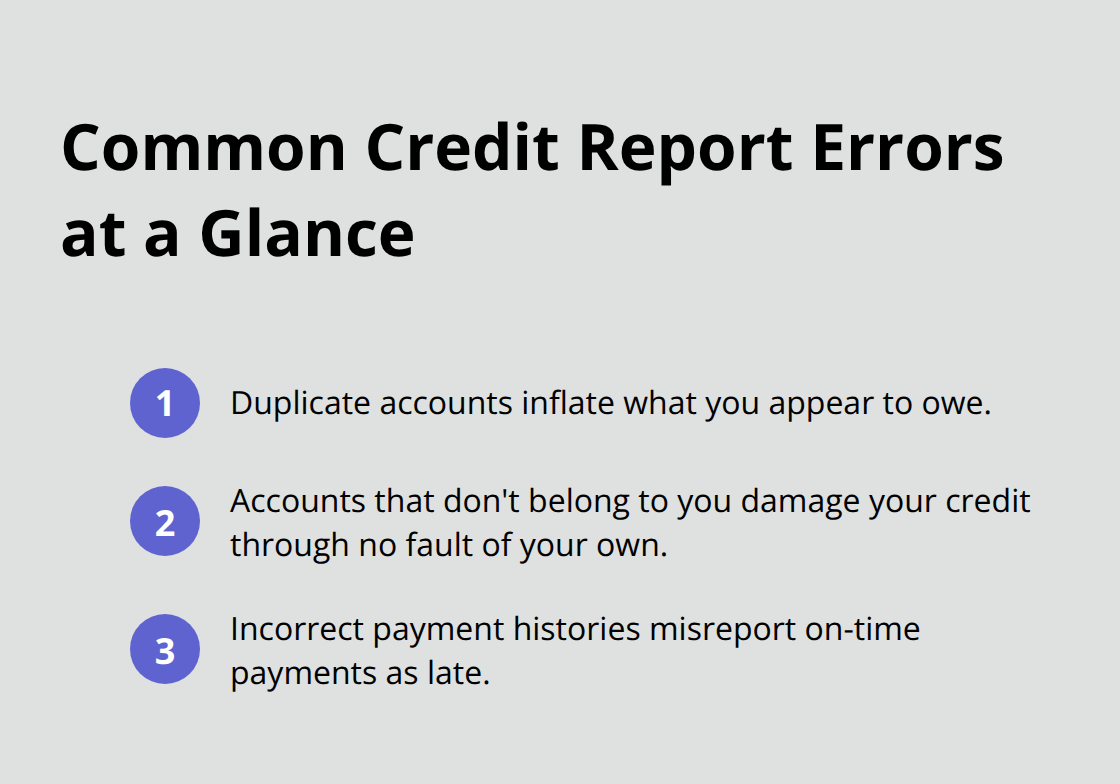
Another frequent error involves accounts that don’t belong to you at all, usually from identity theft or creditor mix-ups. Someone with a similar name gets their account added to your file, or a creditor simply pulls the wrong Social Security number. These cases are serious because they directly damage your creditworthiness through no fault of your own.
Incorrect payment histories cause substantial damage too-a creditor reports a missed payment you actually made on time, or they fail to update your account after you’ve paid off a balance. Even a single late payment can remain on your report for seven years, so catching these errors early matters tremendously.
How to Read Your Report Line by Line
Pull your credit reports from all three bureaus through AnnualCreditReport.com, the only authorized source for free reports, and read each section methodically. Start with the personal information section and verify your name, address, and Social Security number are correct. Then examine your payment history account by account: confirm the account numbers match your actual credit cards and loans, check that balances reflect what you currently owe, and verify that payment statuses show on-time payments as on-time.
Look for accounts you don’t recognize-these signal either identity theft or reporting errors. Check the inquiries section and remove any hard inquiries you didn’t authorize, as multiple inquiries in a short timeframe lower your score.
Red Flags That Signal Fraud or Mistakes
Red flags include accounts reporting late payments when you paid on time, collection accounts for debts you’ve already settled, and closed accounts still showing as open. Accounts opened in your name without permission indicate fraudulent activity (file a police report immediately and contact the credit bureaus). Balances that don’t match what you owe, payment dates that seem off, or accounts from creditors you’ve never worked with all warrant immediate investigation.
If errors persist after you dispute them with the bureaus, legal action may become necessary. We at Bontrager Law represent individuals across California in credit reporting disputes and can guide you through the next steps when the bureaus fail to correct inaccurate information on your file.
How to Fix Credit Report Errors
Dispute Inaccurate Information With the Credit Bureaus
The Federal Trade Commission gives you the right to dispute inaccurate information directly with the credit bureaus, and this process works-but only if you do it correctly. Send a written dispute letter to each bureau reporting the error, not an online form or phone call. The bureaus process written disputes more carefully because they create a paper trail. Include your name, address, Social Security number, account number of the disputed item, and a clear explanation of why the information is wrong. The law requires bureaus to investigate your dispute within 30 days and respond in writing with their findings. In practice, many disputes succeed on the first attempt because creditors often fail to verify the information when challenged, forcing the bureau to remove it from your report.
Gather Documentation Before You Submit
Collect documentation before submitting your dispute, not after. Pull your bank statements, payment receipts, loan documents, and correspondence with the creditor showing the correct information. If you paid a bill on time, your bank statement proves it. If a balance is wrong, your account statement from that creditor shows the actual amount owed.
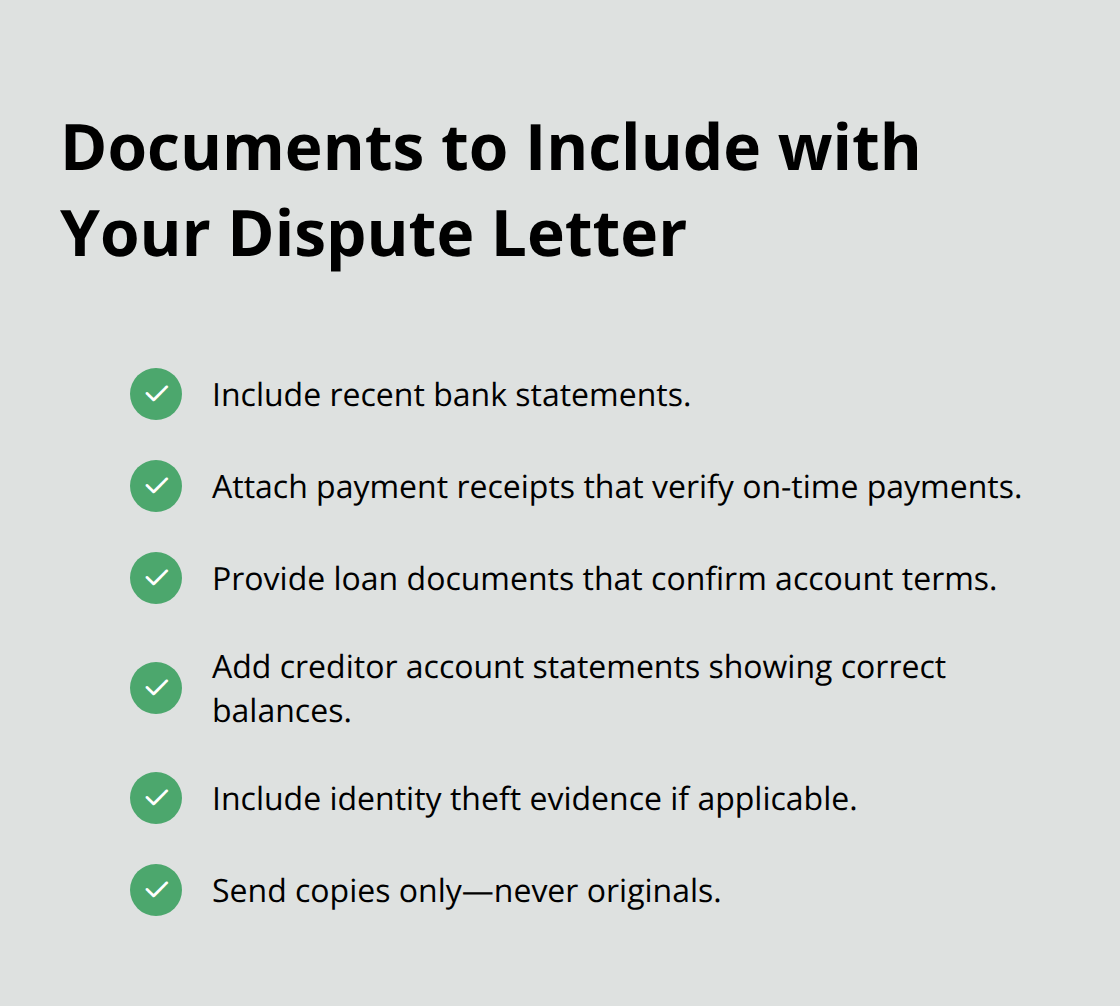
If an account doesn’t belong to you, collect any evidence that proves identity theft occurred. Send copies of this documentation with your dispute letter-never originals. The bureaus receive thousands of disputes monthly, and those backed by solid evidence move faster through their system.
Understand the Timeline and Next Steps
A dispute with supporting documents typically resolves within 45 days, while unsupported disputes often stall. After the investigation closes, the bureau must send you the results in writing. If they correct the error, ask them to send corrected reports to anyone who received your credit file in the past six months. If they reject your dispute without legitimate reason, that rejection itself becomes evidence for legal action. Creditors sometimes reinsert deleted items onto credit reports months later (which violates federal law), and this requires immediate intervention. When the bureaus refuse to correct errors or when the same inaccuracies reappear after you’ve already disputed them successfully, legal action may become your next step.
Final Thoughts
Reading credit reports confidently protects your financial future and prevents costly mistakes from damaging your creditworthiness. Pull your reports annually from all three bureaus through AnnualCreditReport.com, verify every account and payment status matches your actual situation, and dispute errors immediately with written documentation. A single error can cost you thousands in higher interest rates or denied credit, so catching mistakes early pays off directly.
Monitoring your credit going forward requires minimal effort but delivers real protection. Check your reports at least once yearly, and set phone reminders to pull them on the same date each year. If you spot new errors between annual checks, dispute them right away rather than waiting, and watch for accounts you don’t recognize, payment statuses that contradict your records, and balances that don’t match what you owe.
When disputes with the credit bureaus stall or errors reappear after you’ve already corrected them, legal action becomes necessary. We at Bontrager Law represent individuals across California in credit reporting disputes and have recovered millions for clients dealing with inaccurate files. If the bureaus reject your dispute without valid reason or refuse to remove errors you’ve already challenged successfully, contact us for a free case review.