
Your credit score affects everything from loan approvals to insurance rates. At Bontrager Law, we know that California residents face unique risks when it comes to identity theft and credit fraud.
California credit monitoring tips can help you catch problems before they damage your finances. The right strategies and tools make all the difference in protecting what you’ve built.
How Credit Monitoring Services Actually Track Your Financial Activity
What monitoring services watch for
Credit monitoring services track three specific data points that matter most to your financial security. First, they watch for new accounts opened in your name, including credit cards, loans, and utility accounts. Second, they monitor inquiries into your credit report, which spike when someone applies for credit using your identity. Third, they flag changes to existing accounts like sudden credit limit increases, new authorized users, or address changes.
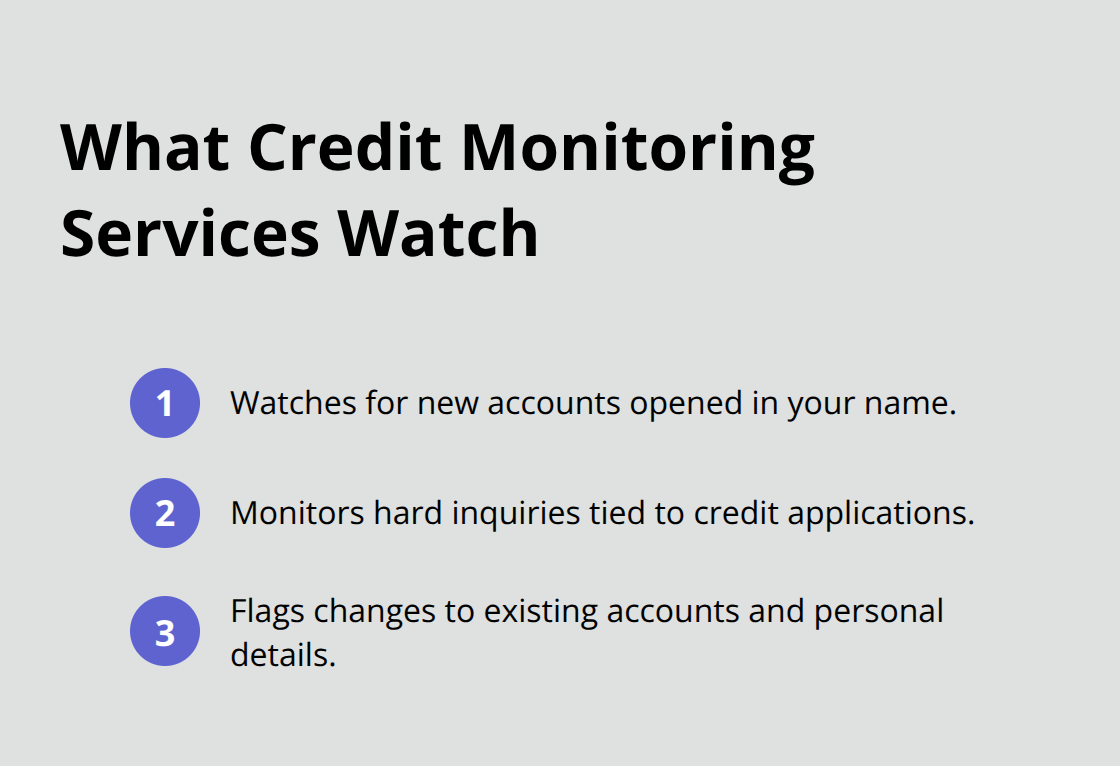
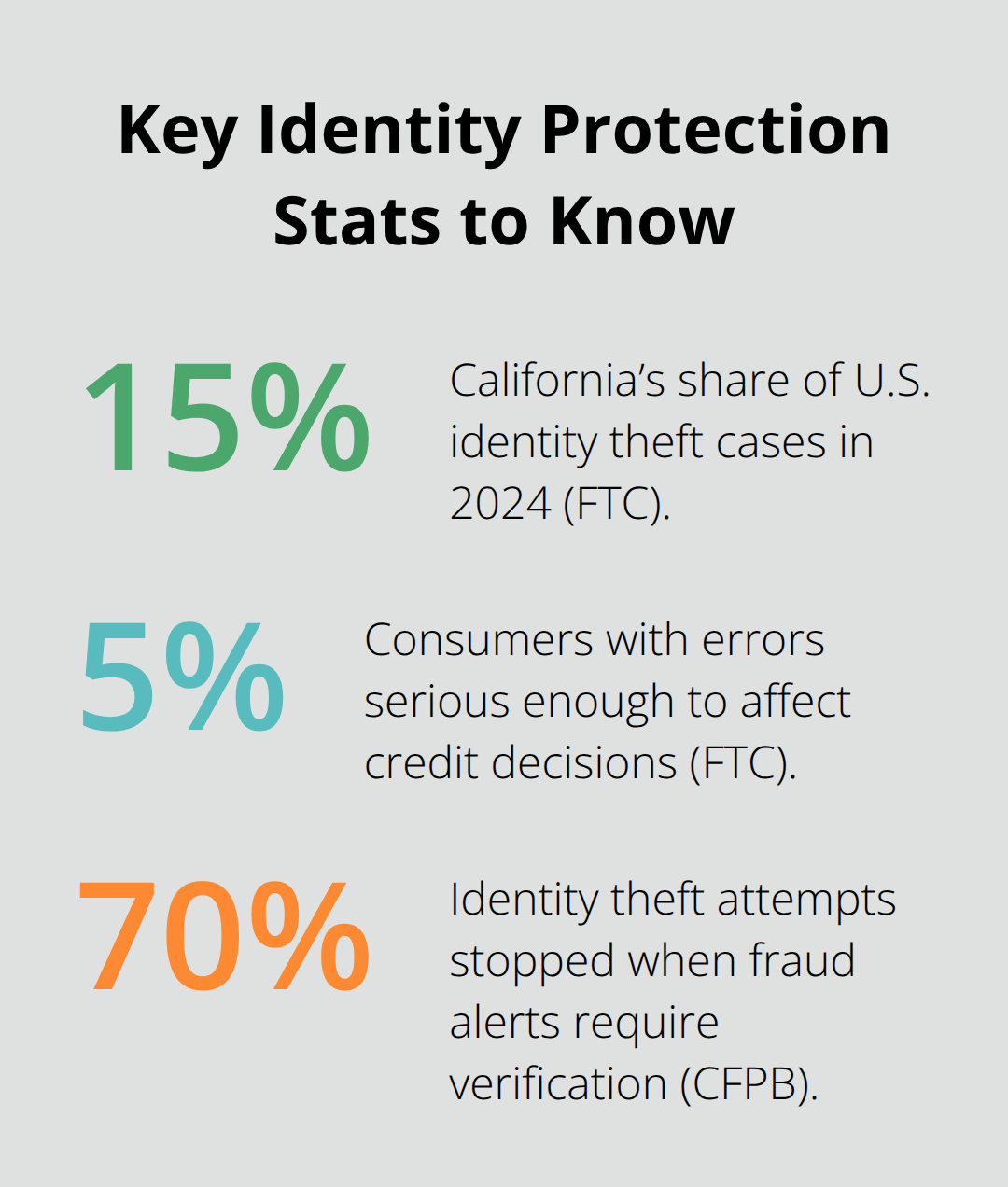
The Federal Trade Commission reports that identity theft affected 2.6 million Americans in 2024, and California accounted for roughly 15% of those cases, making monitoring here particularly important. Services also track late payments, collections accounts, and negative items that damage your score. The real difference between quality monitoring and basic credit report checks is speed-effective monitoring alerts you within hours or days of suspicious activity, not months later when damage spreads.
How fraud detection actually works
When monitoring services flag potential fraud, they examine patterns that don’t match your normal behavior. A credit card application from a state where you’ve never lived, a loan inquiry from a lender you never contacted, or a new account that appears without your authorization are immediate red flags. California residents should know that credit bureaus receive millions of data points daily, and monitoring services filter this noise to surface genuine threats.
The most effective services compare new activity against your established baseline-if you typically have two credit cards and suddenly three new ones appear, that’s actionable intelligence. This detection matters because catching fraud within 30 days can limit liability to $50 under federal law, but delays cost thousands. Early detection prevents massive damage to credit profiles and finances.
Why your credit reports contain the real picture
Your credit reports from Equifax, Experian, and TransUnion form the foundation of everything credit monitoring reveals. These reports contain your payment history, account balances, credit inquiries, and public records like judgments or liens. Monitoring services pull data from these three bureaus because each maintains slightly different information-one might show an account that others don’t yet.
Errors appear frequently (the Federal Trade Commission found that one in five consumers has an error on at least one of their three credit reports). These mistakes range from accounts belonging to someone else entirely to incorrect payment histories that tank your score. Your credit reports directly determine whether lenders approve you for mortgages, car loans, or credit cards, making accuracy non-negotiable for your financial future.
Understanding what monitoring services track sets the stage for the strategies that actually protect you. The next section covers the specific steps California residents should take to monitor their credit effectively.
Taking Action on Your Credit Reports and Score
California law grants you the right to access your credit reports free annually from each of the three bureaus through annualcreditreport.com, but we recommend pulling all three reports every four months instead of waiting for the yearly cycle. Staggering your requests means you catch fraud faster and monitor changes across different reporting periods. When you pull your reports, look specifically for accounts you don’t recognize, inquiries from lenders you never contacted, and incorrect personal information like old addresses or misspelled names.
The Federal Trade Commission found that about 5% of consumers have errors serious enough to affect credit decisions, so this review isn’t just routine maintenance-it’s your first line of defense against both identity theft and reporting mistakes. Dispute any errors immediately by contacting the bureau in writing; under the Fair Credit Reporting Act, bureaus must investigate within 30 days and remove inaccurate information if they can’t verify it. Many California residents skip this step because they assume the bureaus are always right, but that assumption costs them points on their score and potentially loan denials.
Freezes and alerts provide different protection levels
A credit freeze stops new accounts from opening in your name because lenders can’t access your report without your permission, making it nearly impossible for thieves to apply for credit in your name. California residents can place a freeze for free with all three bureaus, and it remains active until you lift it. A fraud alert, by contrast, alerts lenders to verify your identity before opening new accounts but allows your report to remain accessible.
The difference matters: a freeze provides stronger protection but requires you to unfreeze temporarily whenever you apply for legitimate credit yourself. Fraud alerts last one year and require minimal effort to set up, making them practical for people who frequently apply for credit or loans. If you’ve already experienced identity theft, place a freeze immediately; if you’re being proactive, start with a fraud alert and upgrade to a freeze if suspicious activity appears. The Consumer Financial Protection Bureau reports that fraud alerts stop roughly 70% of identity theft attempts because criminals abandon applications when verification is required.
Score monitoring reveals unauthorized activity
Your credit score fluctuates based on payment history, utilization, account age, and inquiry activity, so monitoring changes month-to-month helps you spot when something’s wrong. If your score drops 50 points without an obvious reason like a missed payment or high balance, that’s a red flag for unauthorized activity. Check your score through your credit card issuer, which typically provides free scores monthly, or through services like Credit Karma or Experian, which update scores regularly at no cost.
When you dispute a credit report error, your score often rebounds within 30 to 45 days once the bureau removes the incorrect item. California residents dealing with identity theft should document score changes in writing because this evidence supports disputes and helps if you need legal assistance recovering from fraud damage. These monitoring practices form the foundation for choosing the right tools to protect yourself going forward.
Tools and Services for Credit Protection in California
California residents have access to genuinely useful free monitoring options that most people overlook. The three credit bureaus themselves offer free credit monitoring: Equifax offers Equifax Core Credit Monitoring at no cost, Experian provides Experian IdentityWorks Basic free to all California residents under state law, and TransUnion offers TrueIdentity for free monitoring. These services send alerts when new accounts open, inquiries hit your report, or negative items appear. Credit card issuers also provide free score monitoring to cardholders-Capital One, Chase, and American Express all include this as standard, updating scores monthly or more frequently. The government’s annualcreditreport.com remains the only federally authorized source for free annual credit reports from all three bureaus, and this delivers genuine value despite the marketing noise around paid alternatives.
Where free monitoring falls short
Free services monitor your existing credit file but miss threats across other channels where identity thieves operate. They won’t alert you if someone opens a utility account in your name, applies for a cell phone contract using your information, or commits medical identity theft. A study by Javelin Strategy and Research found that identity theft victims who caught the fraud themselves took an average of 330 days to discover it, while those using comprehensive monitoring caught it in under 60 days. For California residents, this delay matters enormously because the longer fraud runs, the more damage spreads across utility companies, healthcare providers, and other entities that don’t report to credit bureaus. Free monitoring also typically won’t include credit freeze management, which requires logging into each bureau separately to activate or lift freezes.
Paid services justify their cost for specific situations
Premium services like LifeLock, Aura, and IDShield monitor beyond credit files-they watch your Social Security number across the dark web, monitor public records for fraudulent name changes or business filings, and scan the internet for your personal information being sold or exposed. These services cost between $10 and $30 monthly and include features like identity theft insurance (typically $1 million in coverage), credit freeze management through a single dashboard, and white-glove restoration support if theft occurs. Federal Trade Commission data shows that identity theft victims spend an average of 40 hours and $4,000 to recover, making insurance coverage and professional restoration support genuinely valuable for people at higher risk.
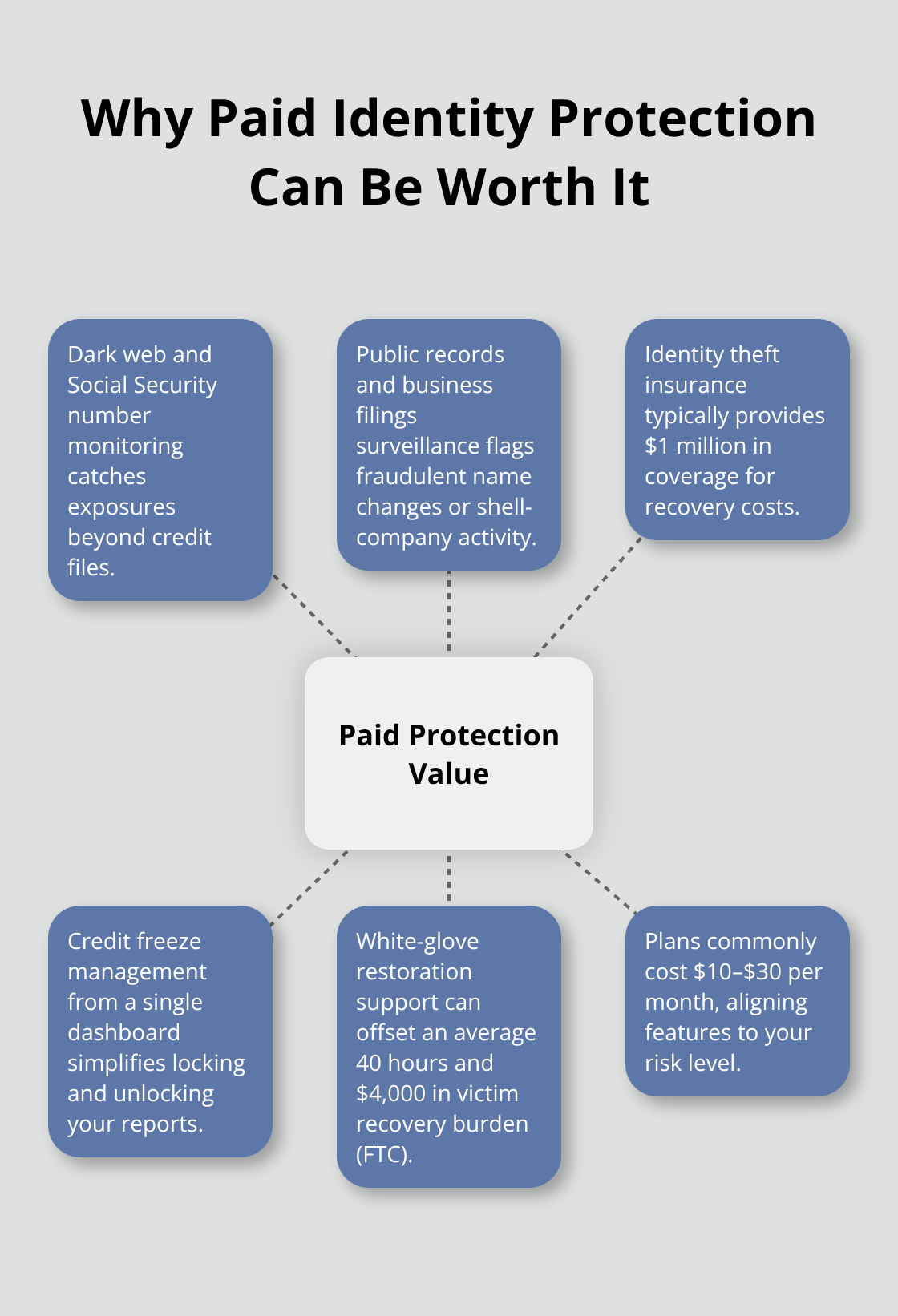
Self-employed individuals, small business owners, and California residents who’ve previously experienced identity theft should strongly consider paid protection because the restoration costs alone justify the annual expense.
Reporting theft to California authorities stops future fraud
If you discover identity theft, file a report with the California Attorney General’s office through its identity theft reporting system, which generates an official report you can submit to credit bureaus and law enforcement. Contact the Federal Trade Commission’s IdentityTheft.gov immediately to file a federal report, which creates a record that helps law enforcement investigate organized theft rings. Report the theft to local law enforcement in your jurisdiction within 48 hours if you want police documentation, though many California officers now refer victims to the Attorney General’s system instead. File a Uniform Fraud Affidavit with each affected company-your bank, credit card issuer, utility company, or whoever was targeted. Send cease-and-desist letters to debt collectors attempting to collect on fraudulent accounts. If the theft involves significant financial damage or complex recovery, contact Bontrager Law for a free case review-we handle identity theft claims against creditors, collectors, and reporting agencies that fail to investigate fraud properly.
Final Thoughts
Protecting your credit in California requires consistent action, not occasional checking. The strategies covered here-pulling reports every four months, setting up fraud alerts or freezes, monitoring score changes, and using appropriate monitoring tools-form a complete defense against identity theft and reporting errors. California credit monitoring tips work only when you implement them regularly and respond quickly to suspicious activity.
Start by pulling your three credit reports from annualcreditreport.com this week and reviewing them carefully for errors or unfamiliar accounts. Set up a fraud alert with at least one bureau immediately, which takes 15 minutes and provides meaningful protection. Choose a monitoring tool that matches your situation: free options work for basic protection, but paid services justify their cost if you’ve experienced theft before or operate a business.
If identity theft has already damaged your credit or finances, contact Bontrager Law for a free case review. We represent California residents in disputes with credit bureaus, debt collectors, and creditors who fail to investigate fraud properly. With nearly 20 years handling thousands of claims and recovering millions for clients, we know how to hold these companies accountable and restore your financial standing.