
A single error on your credit report can cost you thousands in higher interest rates and denied loan applications. Inaccurate information appears on millions of credit files across California, yet most people don’t know they have the right to challenge it.
We at Bontrager Law help Californians correct credit records and hold bureaus accountable when they refuse to fix mistakes. This guide walks you through the entire process, from spotting errors to recovering damages if disputes fail.
Credit Report Errors That Damage California Finances
Common Mistakes on Your Credit File
Credit reports contain four main categories of mistakes that wreck finances. Accounts listed as open when they’re closed, late payments reported months after you paid, accounts belonging to someone else due to identity theft, and duplicate entries of the same debt appear constantly across California credit files. The Consumer Financial Protection Bureau found that roughly one in four Americans dispute errors on their reports, yet the majority never take action.
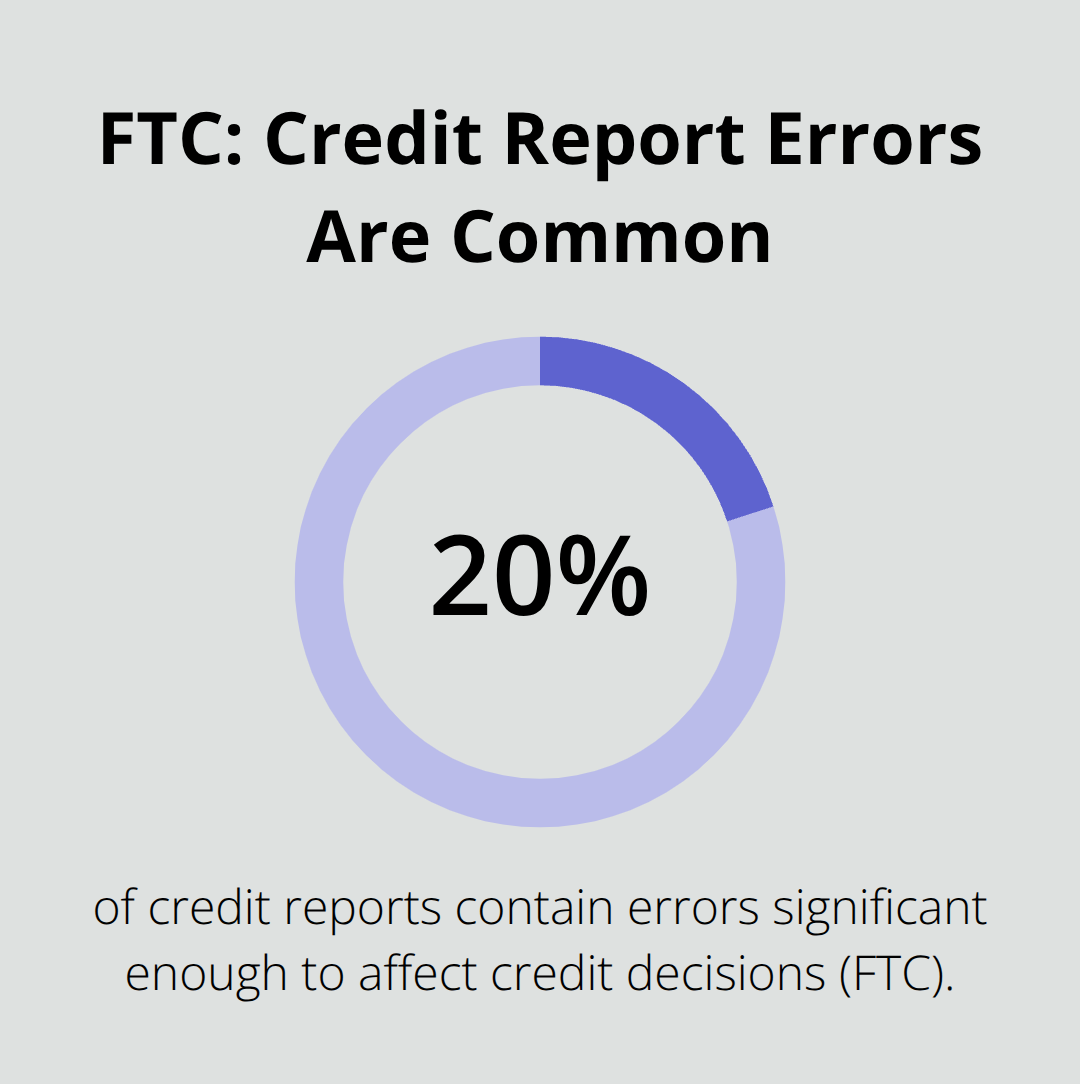
Creditors furnish inaccurate data to bureaus regularly-some because of sloppy record-keeping, others because they’ve sold accounts to collectors who report them incorrectly. Hard inquiries listed without authorization, incorrect credit limits, and accounts with wrong balances also plague files. These aren’t rare edge cases. The Federal Trade Commission reported that about 20 percent of credit reports contain errors significant enough to affect credit decisions, meaning millions of Californians carry inaccurate information right now.
How Errors Tank Your Credit Score
A single late payment notation can drop your score 100 points or more, instantly raising your borrowing costs across every loan type. Someone with a 750 score versus a 650 score pays roughly $150 more monthly on a 30-year mortgage, according to lending data from major banks. Credit card companies use report errors to justify higher interest rates, sometimes charging 24 percent instead of the 15 percent you’d qualify for with accurate information.
Denied apartment applications, rejected job offers, and insurance premium increases follow inaccurate reports regularly. California residents have the right to dispute errors under the Fair Credit Reporting Act and California’s Consumer Legal Remedies Act, which gives you the power to force corrections and recover damages from bureaus and creditors who don’t fix mistakes.
Why Speed Matters
Waiting months to challenge an error costs real money-every month compounds the damage to your rate quotes and approval odds. The longer inaccurate information sits on your file, the more lenders, landlords, and employers see it. Your next step involves obtaining your actual credit report and spotting exactly which items need correction.
Step-by-Step Process to Dispute Credit Report Errors
Obtain Your Credit Report for Free
Your credit report is free and takes minutes to obtain, yet most Californians never actually pull one before disputing errors. Head to AnnualCreditReport.com, the only federally mandated site where you access reports from Equifax, Experian, and TransUnion without paying. You receive one free report per bureau annually, though we recommend pulling all three at once since errors appear on different files.
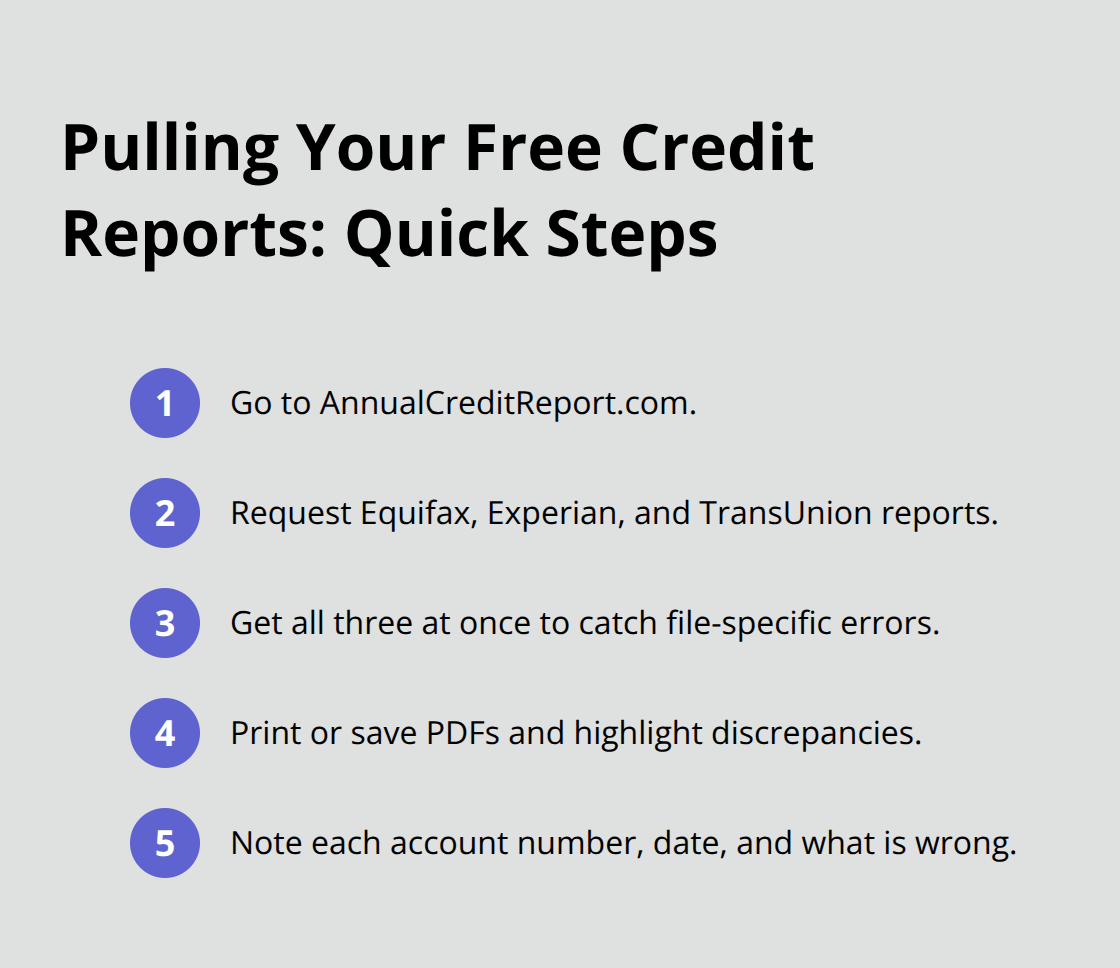
Once you have the reports in hand, print them and mark every discrepancy with a highlighter.
Identify Every Inaccuracy on Your File
Look for accounts you don’t recognize, late payments you already paid, closed accounts still showing as open, and any personal information that’s wrong. The Federal Trade Commission data shows people who carefully review their own reports catch errors the bureaus miss during their initial review process. Write down the specific account number, the reporting date, and exactly what’s wrong with each item. This documentation becomes your evidence when you file disputes-don’t trust memory here.
Send Written Disputes to Credit Bureaus
File a dispute with credit bureaus in writing, never by phone. Send a certified letter to each bureau showing errors on their report, listing each inaccuracy separately with the account number and what you’re disputing. Keep your letter direct and factual (skip emotional language and stick to what’s provably wrong). Mail copies to Equifax, Experian, and TransUnion at their dispute addresses, and send another letter to the creditor or data furnisher who reported the false information.
Expect Investigation and Follow Up
The Fair Credit Reporting Act requires bureaus to investigate within 30 days, and if they can’t verify the information, they must delete it. However, most bureaus use automated systems that send form responses without real investigation. When this happens, send a second dispute letter referencing your first one and demand manual review. Many Californians see results only after their second or third dispute (persistence matters more than most people realize).
Know When Professional Help Becomes Necessary
If bureaus refuse to correct clear errors after multiple attempts, that’s when contact with a firm like Bontrager Law becomes necessary. We handle these cases when the normal dispute process fails and can pursue damages against bureaus for violating federal law.
Getting Legal Help When Disputes Fail
Most credit bureau disputes resolve within 30 to 45 days, but roughly 40 percent of disputes filed by consumers result in no change whatsoever according to Consumer Financial Protection Bureau data. When you’ve sent multiple dispute letters, documented everything meticulously, and the bureaus still refuse to correct obvious errors, you’ve hit the wall where the dispute process fails. This happens more often than people realize, especially with accounts that have been sold multiple times between collectors or when original creditors no longer exist to verify information. The Fair Credit Reporting Act gives you a legal remedy when bureaus ignore their investigation obligations, but pursuing this requires understanding exactly when to escalate and how the law actually protects you.
When to Contact a Consumer Protection Attorney
Contact a consumer protection attorney when you’ve made at least two written dispute attempts within a 60-day window and seen zero movement from the bureaus. If a bureau investigates but reaches the wrong conclusion and reinsertion of the error happens repeatedly, that signals intentional negligence under federal law. You should also reach out if a bureau fails to investigate within the required 30-day window or if the investigation appears automated rather than thorough.
How Credit Reporting Cases Work
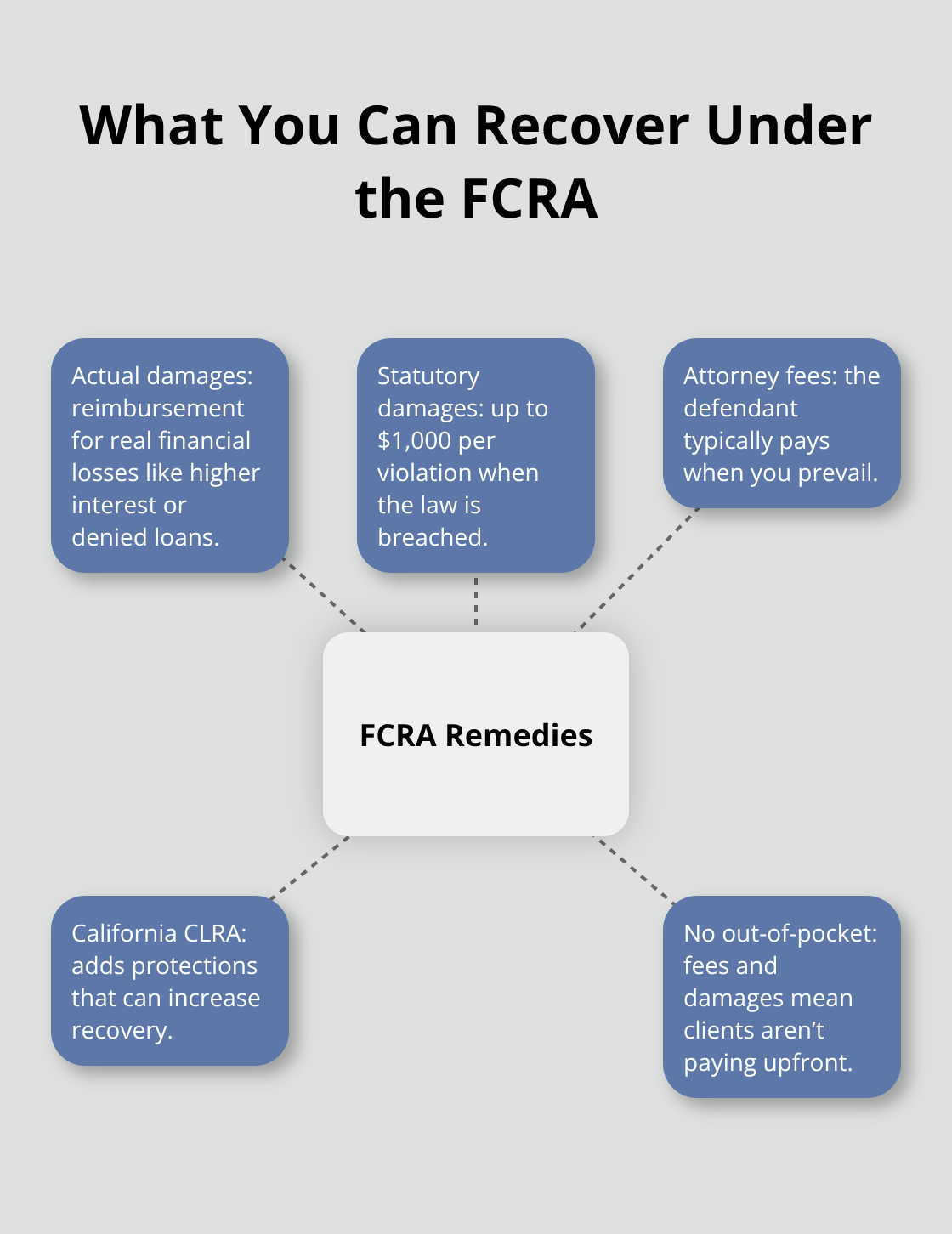
The Fair Credit Reporting Act allows you to recover actual damages (the real money you lost from denied loans or higher rates), statutory damages up to 1,000 dollars per violation, and attorney fees. California’s Consumer Legal Remedies Act adds another layer of protection, potentially increasing your recovery significantly. A successful claim against a bureau or creditor typically means they pay your attorney fees, your documented financial losses, and statutory damages-meaning you don’t pay out of pocket for representation.
Finding the Right Representation
Bontrager Law handles credit reporting cases where the normal dispute system has completely failed, where inaccurate information continues damaging your credit despite your efforts, and where the financial harm justifies legal action. With nearly 20 years of experience handling thousands of claims across California, Bontrager Law offers a free case review to assess whether your situation qualifies for legal action. Many firms handle these cases on contingency, which means you only pay if they win and recover money for you.
Final Thoughts
Correcting credit records in California takes time, but the process moves faster when you stay organized and persistent. Most errors disappear within 30 to 45 days of your first dispute letter, especially when you document everything clearly and send written correspondence to all three bureaus simultaneously. If you’re dealing with identity theft or accounts sold multiple times between collectors, the timeline stretches longer-sometimes 60 to 90 days before you see real movement.
A cleaner credit file opens doors that inaccurate information slams shut. Your score climbs as false late payments and duplicate accounts disappear, which means lower interest rates on mortgages, car loans, and credit cards. Apartment applications move forward, job offers stop getting rescinded, and insurance premiums drop back to normal levels (the financial benefit compounds over years as someone who corrects a major error today saves tens of thousands in interest over the next decade).
If the dispute process stalls after multiple attempts, legal action becomes your next move. The Fair Credit Reporting Act exists specifically to punish bureaus and creditors who ignore their obligations, and you shouldn’t hesitate to pursue damages when they refuse to correct clear errors. Contact Bontrager Law when disputes fail and you need help recovering actual damages, statutory damages, and attorney fees from bureaus and data furnishers.