
A mistake on your credit report can cost you thousands of dollars in higher interest rates or denied loan applications. Credit bureau inaccuracies in California are more common than you’d think, and they often go unnoticed until they damage your financial opportunities.
The good news is that you have legal rights to challenge these errors, and we at Bontrager Law help people fix their credit files every day. This guide walks you through the process of identifying mistakes, disputing them, and knowing when to bring in legal support.
Understanding Credit Bureau Errors in California
Types of Inaccuracies Found on Credit Reports
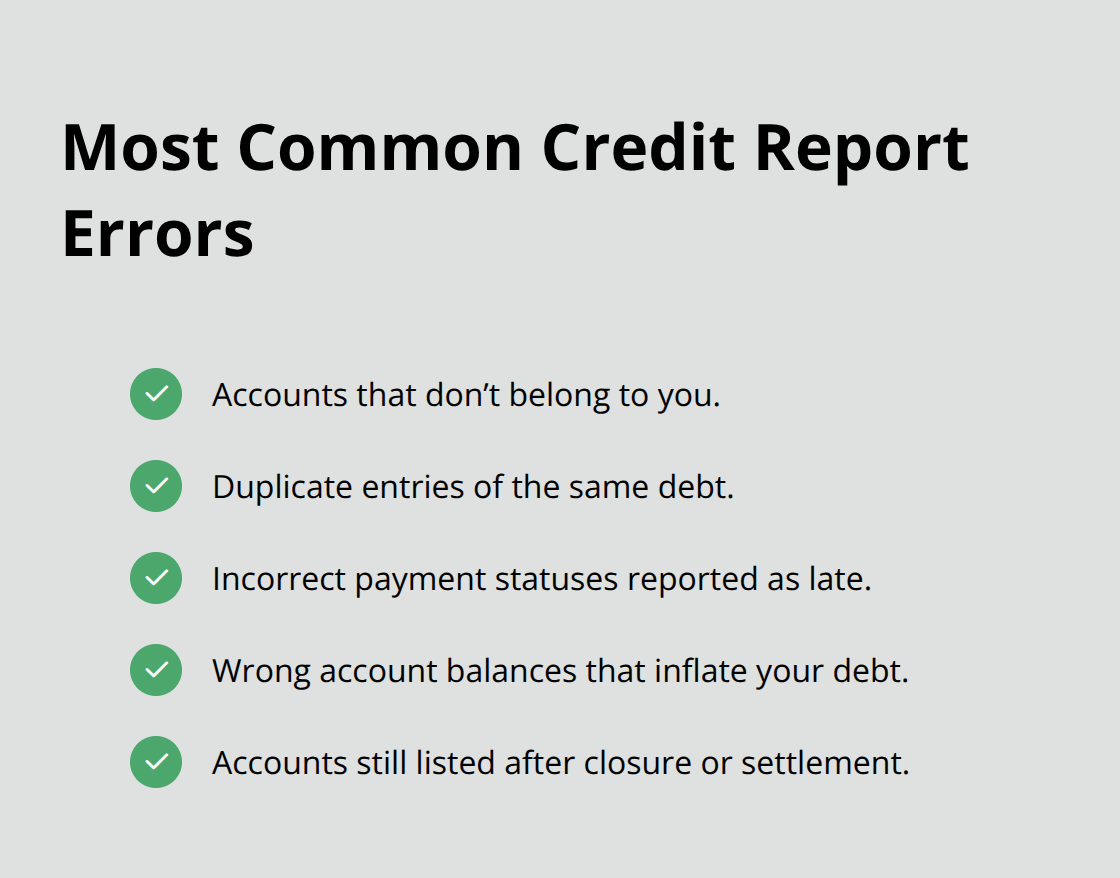
Credit reports contain far more than just payment history. The Federal Trade Commission reports that one in five Americans has an error on at least one of their three credit reports, and California residents file a disproportionate number of disputes annually. The most common inaccuracies we see include accounts that don’t belong to you, duplicate entries where the same debt appears multiple times, incorrect payment statuses showing late payments when you paid on time, wrong account balances inflating your reported debt, and accounts still listed after you’ve closed or settled them. These aren’t minor issues-a single error can tank your credit score by 100 points or more, directly affecting your ability to qualify for mortgages, car loans, credit cards, and even employment opportunities in California where employers routinely check credit reports.
How One Error Cascades Into Real Financial Damage
An inaccuracy on your credit file doesn’t just sit there harmlessly. If a collection account appears on your report that you already paid, you’re stuck with a damaged score even though the debt is resolved. If an account shows a 30-day late payment when you never missed a payment, lenders will offer you higher interest rates-costing you tens of thousands of dollars over the life of a mortgage. A wrong balance might show you’re using more credit than you actually are, lowering your credit score and making lenders view you as riskier.
Your Legal Protections in California
California law gives you specific protections through the Fair Credit Reporting Act and the California Consumer Legal Remedies Act, meaning credit bureaus must maintain accurate information and correct errors within 30 days of receiving a dispute. If they fail to do so, they’re violating your rights, and you have grounds for legal action to recover damages and attorney fees. Understanding these protections is the first step toward taking control of your financial reputation.
Steps to Dispute Credit Report Errors
Get Your Credit Reports and Spot the Problems
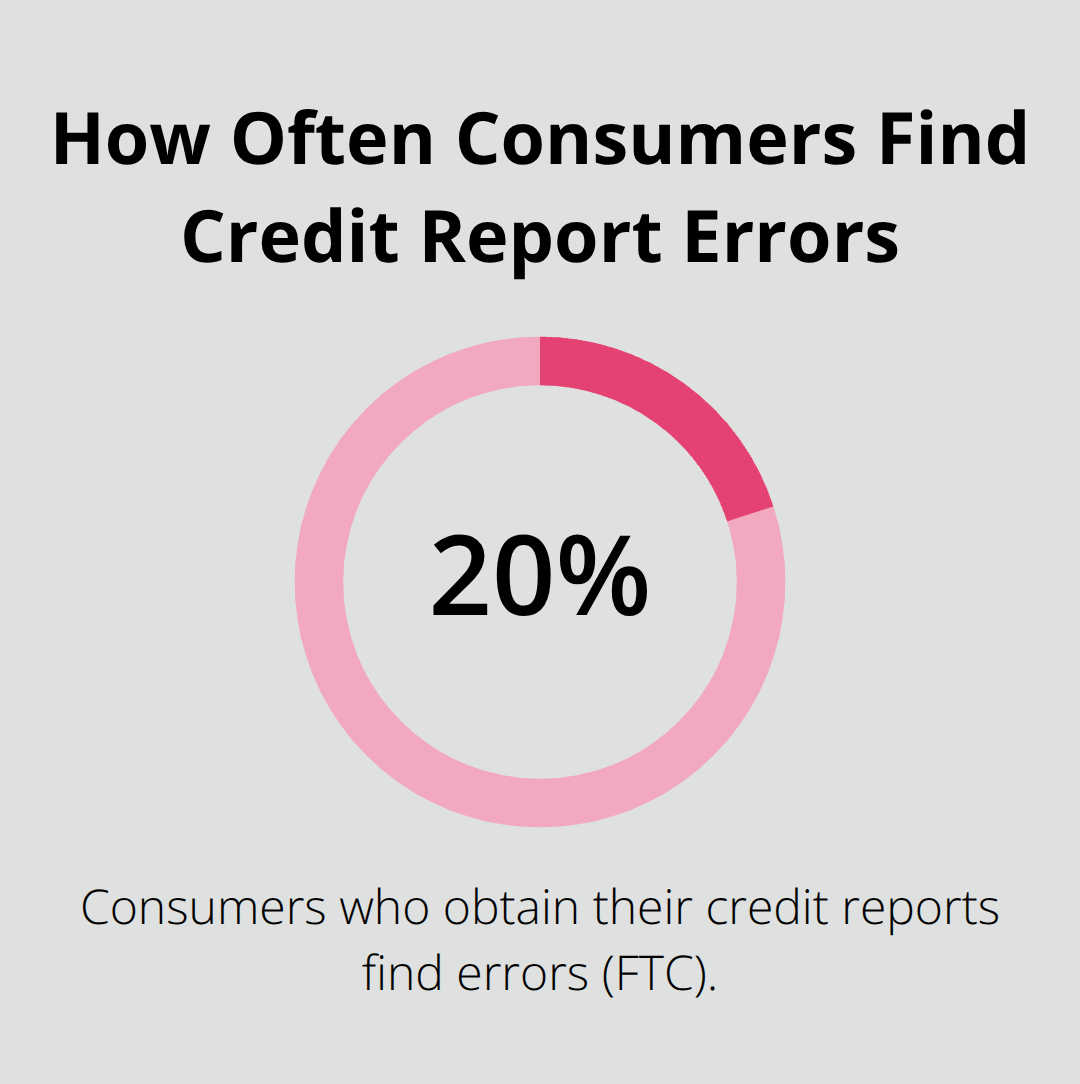
Obtain copies of your credit reports from all three bureaus-Equifax, Experian, and TransUnion-through AnnualCreditReport.com, the only federally authorized source for free reports. The Federal Trade Commission reports that approximately 20% of consumers who obtain their reports find errors, so treat this step with care and avoid rushing through it.
Print or download your reports and review them line by line, marking anything that doesn’t match your actual account history. Look for accounts you never opened, duplicate entries where one debt appears twice, incorrect payment statuses, wrong balances, or accounts that should have been removed years ago. Many people miss errors on their first read because they scan too quickly-set aside time when you’re alert and can focus entirely on this task. Once you identify an error, write it down with the exact account number, creditor name, and what’s wrong about it.
File Your Dispute in Writing
The law requires credit bureaus to investigate disputes within 30 days, but only if you submit your challenge in writing. Send a formal dispute letter to the bureau’s dispute department via certified mail with return receipt-not a phone call, not an email to a general address. Your letter should clearly state which item you’re disputing, explain why it’s inaccurate, and include copies of supporting documents like bank statements, payment receipts, or correspondence with the creditor proving the account was paid or never belonged to you. The Consumer Financial Protection Bureau found that many disputes fail because people don’t provide sufficient documentation, so include anything that corroborates your claim. Keep copies of everything you send and the return receipt showing the bureau received your letter (this creates a paper trail that matters if the bureau ignores the deadline or fails to investigate properly).
Know What Happens Next
If the bureau doesn’t respond within 30 days or refuses to remove the error after investigation, you have grounds for legal action under the Fair Credit Reporting Act. When credit bureaus violate these requirements, California residents can pursue damages and recover attorney fees. At this point, many people benefit from working with a consumer protection firm that understands how to hold these companies accountable.
Working with a Consumer Protection Firm
When Legal Action Becomes Necessary
If the credit bureau ignores your 30-day deadline, refuses to investigate your dispute, or fails to remove an error after investigation, you’ve crossed into territory where legal action becomes necessary. The Fair Credit Reporting Act allows you to sue for damages when bureaus violate these requirements, but pursuing that claim without help is impractical for most people. Credit bureaus have entire legal departments and decades of experience defending these cases, so attempting to handle it yourself puts you at a significant disadvantage. You need representation that understands the specific violations involved and knows how to pressure these companies into settling.
Why Legal Representation Matters
The Consumer Financial Protection Bureau reports that credit reporting disputes involving legal representation resolve faster and result in higher compensation than those handled alone. If a bureau fails to respond to your written dispute within 30 days, doesn’t investigate properly, or continues reporting an error you’ve already challenged, contact a consumer protection firm immediately rather than waiting months hoping the situation improves on its own. Credit bureaus count on people abandoning their claims out of frustration or lack of knowledge about their legal options.
How a Consumer Protection Firm Investigates Your Case
When you work with a consumer protection firm on credit reporting errors, the firm investigates whether the credit bureau violated the Fair Credit Reporting Act by failing to investigate your dispute, ignoring your deadline, or continuing to report inaccurate information. Your recovery typically includes actual damages (the financial harm caused by the inaccuracy), statutory damages up to $1,000 per violation, and attorney fees, meaning the bureau pays your legal costs if you prevail.
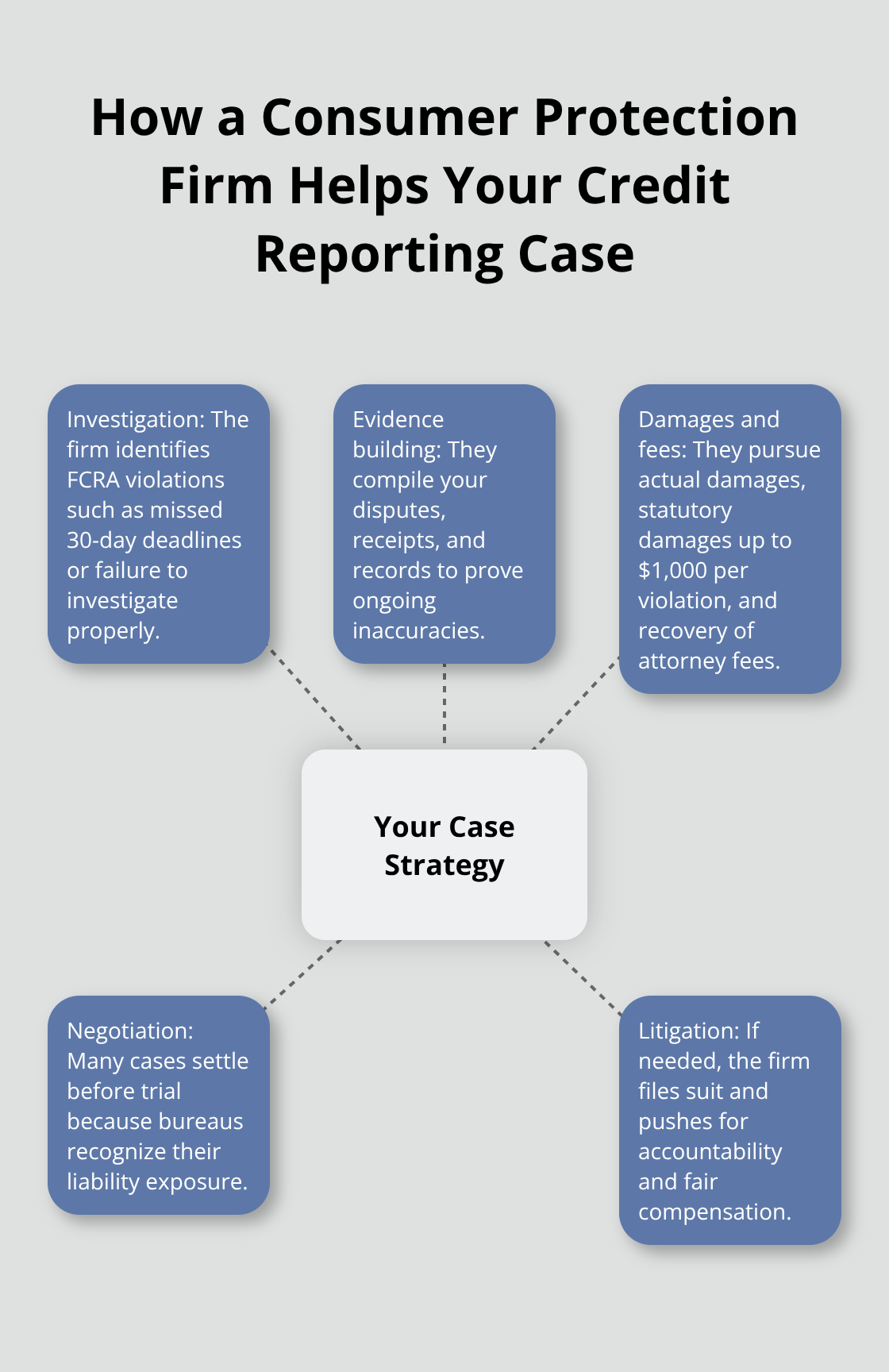
Many cases settle before trial because credit bureaus understand the liability they face when they’ve violated federal law.
Building a Strong Claim
The strength of your claim depends on documentation-the written disputes you sent, proof the bureau received them, evidence the error still appears on your report after the deadline passed, and records showing how the inaccuracy damaged you financially. Having this documentation ready accelerates the process and increases settlement value significantly. Bontrager Law, a Los Angeles-based consumer protection firm, represents individuals across California in credit reporting disputes with nearly 20 years of experience and thousands of claims handled. The firm offers a free case review to evaluate whether the credit bureau violated your rights and what compensation you can recover.
Final Thoughts
Credit bureau inaccuracies in California don’t fix themselves, and waiting rarely improves your situation. You have three realistic paths forward: dispute the error yourself by sending written challenges to the credit bureau with supporting documentation, escalate to legal action if the bureau ignores your 30-day deadline or refuses to investigate, or work with a consumer protection firm that handles these cases regularly and knows how to pressure credit bureaus into settling. The DIY approach works for straightforward errors when you have clear documentation, though many people find the process frustrating without professional guidance.
If the bureau misses the 30-day deadline, claims the information is accurate when it isn’t, or continues reporting the error after you’ve disputed it, you’ve hit the point where legal representation becomes practical rather than optional. Credit bureaus employ legal teams and settle thousands of disputes annually because they understand the financial exposure when they violate the Fair Credit Reporting Act. When you have a legitimate claim backed by documentation, they typically settle rather than litigate, which is why representation shifts the equation in your favor and accelerates resolution.
Bontrager Law represents California residents in credit reporting disputes and offers a free case review to show whether the credit bureau violated your rights and what compensation you can recover. The firm handles the investigation, negotiation, and legal work while you focus on moving forward. Contact Bontrager Law to discuss your situation and determine your next steps.