
Your credit report shapes your financial life, yet many Californians don’t know what protections actually exist. The Fair Credit Reporting Act gives you specific rights to challenge errors, stop harassment, and hold companies accountable.
At Bontrager Law, we help people understand and enforce their FCRA rights in California. This guide walks you through what you’re protected from and how to fight back when those protections are violated.
What the FCRA Actually Protects
The Accuracy Shield
The Fair Credit Reporting Act requires that any information on your credit report be accurate and verifiable. Credit bureaus must investigate disputes within 30 days, and if they cannot verify the information, they must remove it. The Federal Trade Commission found that roughly one in five Americans has an error on at least one of their three credit reports, and many of those errors directly tank credit scores and increase borrowing costs.
The Access Barrier
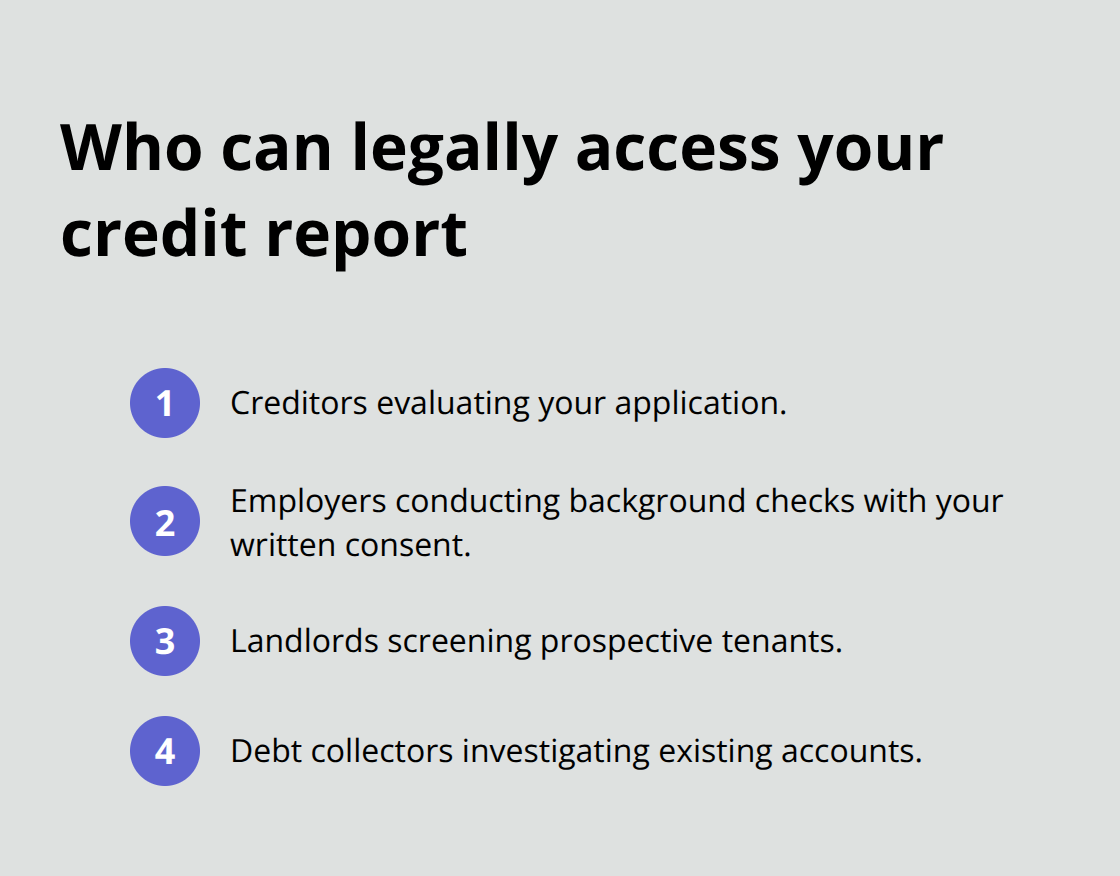
Companies cannot access your credit report without a legitimate reason. The FCRA limits who can pull your report to those with permissible purpose: creditors evaluating applications, employers conducting background checks with your consent, landlords screening tenants, or debt collectors investigating accounts. Unauthorized inquiries happen more often than people realize, and each one can damage your score.
The Harassment Prohibition
Debt collectors cannot harass you while pursuing payment. The Fair Debt Collection Practices Act works alongside the FCRA to prohibit calls before 8 a.m. or after 9 p.m., repeated calls designed to annoy, threats of arrest, and false statements about what they will do if you don’t pay.
Enforcement With Real Consequences
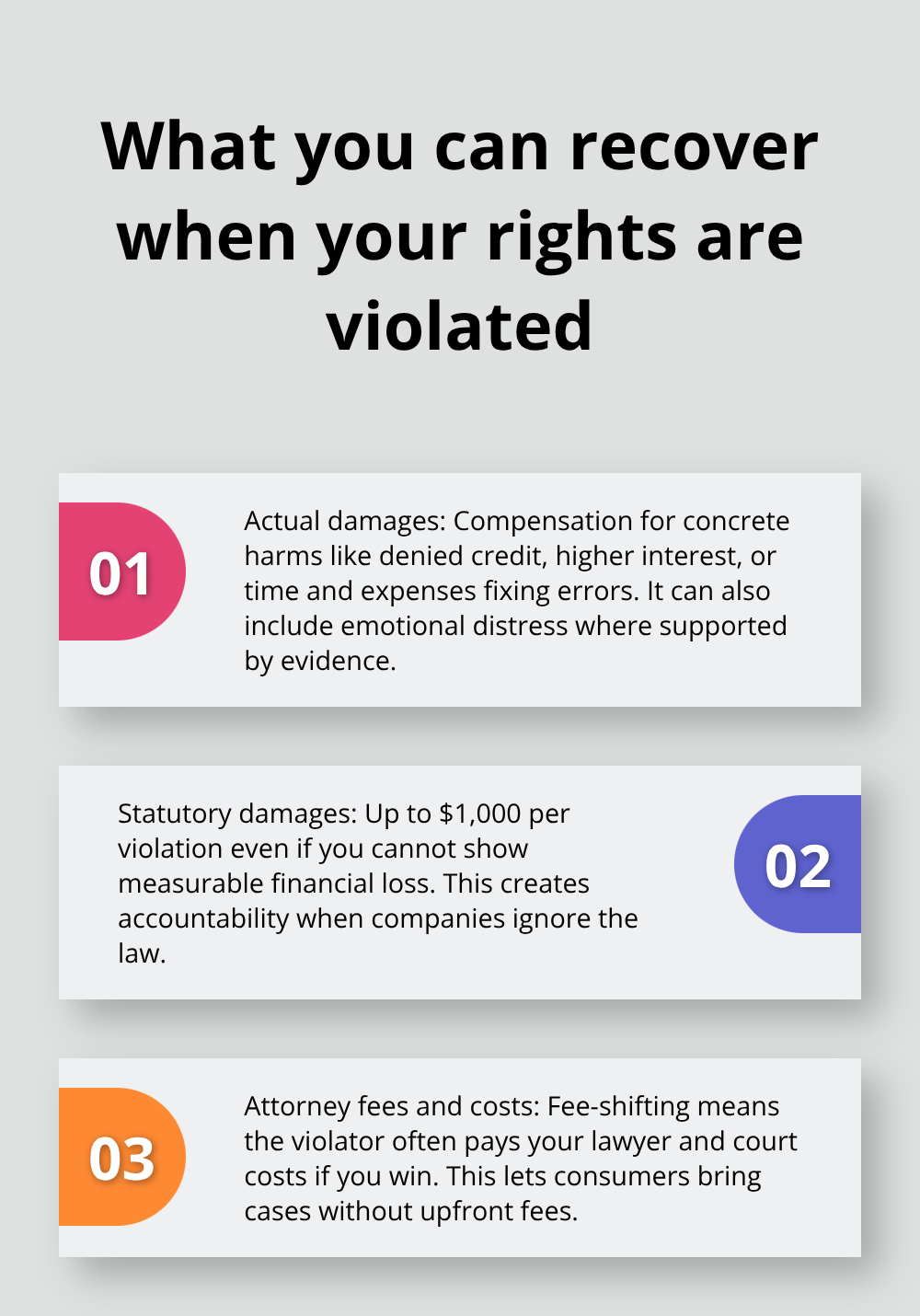
These protections come with teeth. If a credit bureau ignores your dispute or a debt collector violates these rules, you can sue for actual damages plus statutory damages up to $1,000 per violation, regardless of whether you suffered measurable financial loss. Many cases also include attorney fees and court costs paid by the defendant (which means the violator pays your legal bills).
When violations occur, recognizing them quickly matters. Waiting or hoping the problem resolves itself typically makes things worse and gives companies more time to cause additional damage. Understanding exactly what crossed the line prepares you to take action-which brings us to how you actually challenge errors on your credit report.
How to Challenge Credit Report Errors
Pull Your Reports and Spot the Problems
Start by obtaining your actual credit reports from all three bureaus: Equifax, Experian, and TransUnion. You can access one free report annually from each bureau through AnnualCreditReport.com, the only authorized source for free reports under federal law. Many people skip this step and assume errors will surface on their own-they won’t. You need to actively review what’s being reported about you.
Look for accounts you don’t recognize, payment histories that don’t match your records, duplicate entries, accounts marked as delinquent when you paid on time, and personal information errors like wrong addresses or employers. The Federal Trade Commission reports that disputes are filed on approximately 2.3 million credit reports each year, which means errors are widespread enough that credit bureaus have systems in place to handle them.
Document Everything Before You File
Once you spot inaccuracies, document everything: take screenshots, print pages, note dates and account numbers. This documentation becomes critical if you later need to escalate the dispute. Specific details matter far more than vague complaints when credit bureaus investigate your claim.
File Your Dispute in Writing
Send a written dispute letter via certified mail with return receipt requested-not email, not a phone call. The FCRA requires credit bureaus to investigate your dispute within 30 days and respond in writing. Be specific about what’s wrong and why. For example, don’t just say an account is fraudulent; explain that you never opened this account and provide the dates you discovered the error.
If the bureau doesn’t verify the information within 30 days, they must remove it. Many disputes succeed because creditors simply don’t respond to the bureau’s investigation request within the timeframe.
What Happens When Bureaus Refuse to Correct Errors
If the bureau refuses to remove the error or reinvestigates and finds it accurate, you have options. Some disputes involve identity theft, fraudulent accounts, or bureaus that ignore multiple dispute requests-situations that require more aggressive action. When credit bureaus and creditors violate your rights under the FCRA, you can pursue legal remedies to recover damages. This is where understanding your next set of protections becomes essential, particularly when debt collectors enter the picture.
Your Rights When Dealing with Debt Collectors
Debt collectors operate under the Fair Debt Collection Practices Act, a law separate from but equally important as the FCRA. The FDCPA prohibits specific tactics that collectors commonly use, and violations carry the same statutory damages structure: up to $1,000 per violation plus actual damages and attorney fees. The Consumer Financial Protection Bureau received over 130,000 complaints about debt collection in 2024, with harassment and false statements among the most frequent violations reported. Knowing exactly what crosses the line transforms you from a passive target into someone who can recognize abuse and respond legally.
What Collectors Cannot Do
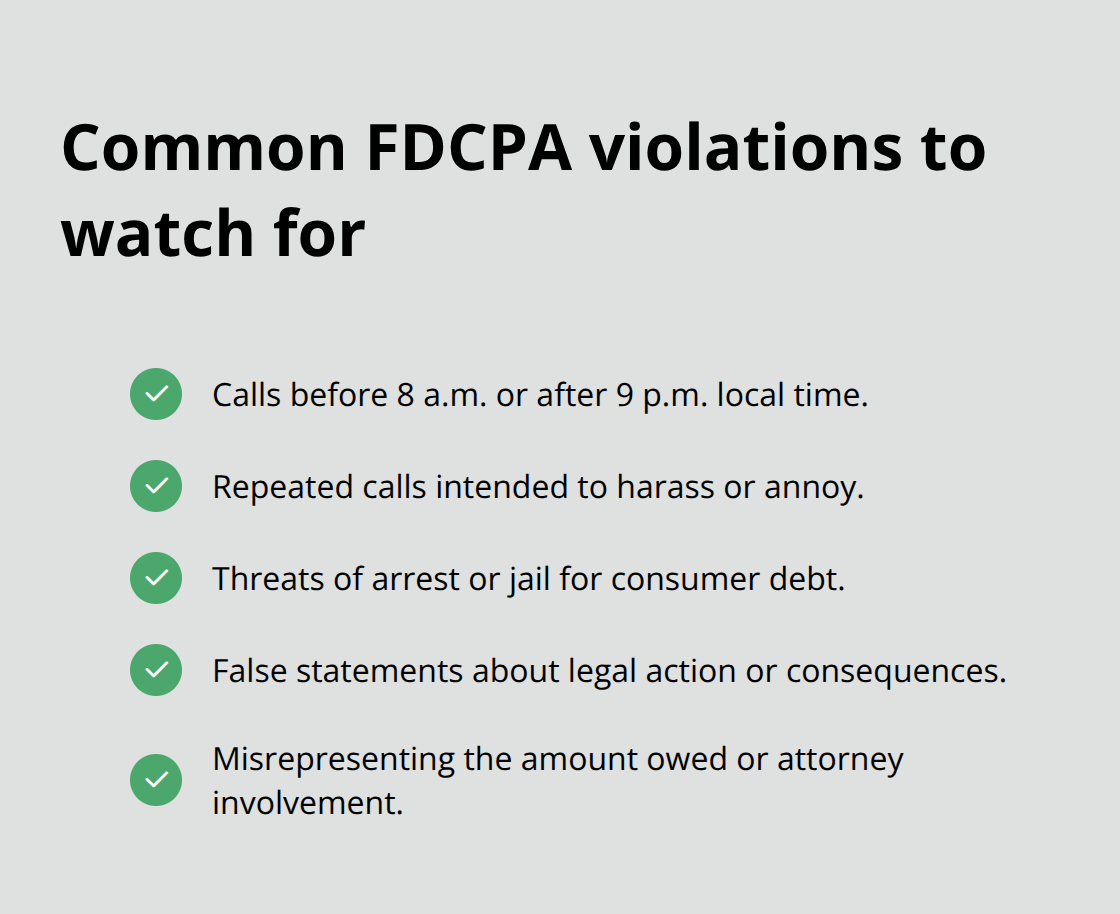
Collectors cannot call before 8 a.m. or after 9 p.m. in your time zone, cannot call repeatedly with the intent to harass or annoy, cannot threaten arrest or jail time for consumer debt, cannot claim they will seize your wages or property unless they actually have a court judgment and the legal right to do so, and cannot misrepresent the amount owed or threaten consequences they cannot legally enforce. Many collectors violate these rules because penalties feel abstract to them until they face actual lawsuits.
If a collector calls your workplace after you’ve told them your employer prohibits such calls, that’s a violation. If they contact you after you’ve sent written notice requesting they stop, that’s a violation. If they claim they represent an attorney when they don’t, that’s a violation. Document every call with dates, times, names provided, and what was said. Keep voicemails as evidence.
Stopping Calls Before They Escalate
Send a written cease-and-desist letter via certified mail stating that you refuse to pay and directing the collector to stop all contact except for specific permitted communications like notification of a lawsuit. The FDCPA requires collectors to honor this request, though some ignore it anyway-which creates additional violations you can pursue. Request caller ID information and document the phone number each time they call after receiving your letter.
Many people worry that refusing contact means the debt vanishes; it doesn’t. It means the collector must pursue legal action through the court system if they want to collect, which forces them to prove the debt is actually valid and owed by you. Some debts on your report belong to someone else or have passed the statute of limitations for collection, facts that surface only when a case goes to court. Collectors repeatedly violate cease-and-desist requests because they operate on volume and gamble that most people won’t pursue legal action.
When Violations Warrant Legal Action
If a collector violates the FDCPA repeatedly, uses threats, or misrepresents the debt, you have grounds for a lawsuit. You don’t need to prove financial harm to recover statutory damages. A single documented violation can result in a $1,000 award, and multiple violations stack. If you have three separate instances of calls after a cease-and-desist letter, that’s potentially $3,000 in statutory damages before considering actual harm to your credit, emotional distress, or lost wages from dealing with the situation.
Contact an attorney who handles FDCPA cases-many offer free consultations and work on contingency, meaning you pay nothing unless you win and the defendant covers your legal fees. Bontrager Law represents individuals across California in disputes over unlawful debt collection and related claims, offering a free case review to evaluate your situation.
Final Thoughts
Your FCRA rights in California give you concrete power to fight back against credit reporting errors and debt collection abuse. You can demand accuracy, block unauthorized inquiries, stop harassment, and recover money when companies violate these protections. The law isn’t theoretical-it comes with real damages, attorney fees paid by violators, and enforcement mechanisms that work when you act on them.
Timing matters when violations occur. Document everything immediately: screenshots of your credit report, dates of harassing calls, names of collectors, and copies of letters you’ve sent. File written disputes with credit bureaus within 30 days of spotting errors, and send cease-and-desist letters via certified mail to collectors who cross the line. These steps create a paper trail that proves violations happened and strengthens any legal claim you later pursue.
Many Californians hesitate to take action because they assume violations are too minor or that fighting back costs too much. That assumption costs you money-statutory damages exist precisely because Congress wanted to make violations expensive enough that companies stop committing them. If you’ve spotted errors on your credit report, received harassing collection calls, or suspect unauthorized inquiries, contact Bontrager Law to discuss what happened and what comes next.