
Your credit report shapes your financial future, yet many people don’t know what protections they have under the Fair Credit Reporting Act. If you live in California, FCRA rights give you specific legal tools to challenge errors and hold credit reporting agencies accountable.
At Bontrager Law, we’ve seen how inaccurate information can tank loan applications and damage your finances. This guide walks you through your protections and what to do when violations happen.
What the FCRA Actually Protects
The Fair Credit Reporting Act gives you concrete rights that credit reporting agencies must follow, and California law adds extra protections on top. The FCRA applies to any company that collects, maintains, or distributes information about your creditworthiness, character, or payment history. This includes the three major credit bureaus-Equifax, Experian, and TransUnion-but also smaller agencies that report medical debt, utility payments, or rental history.
How Credit Reporting Agencies Use Your Information
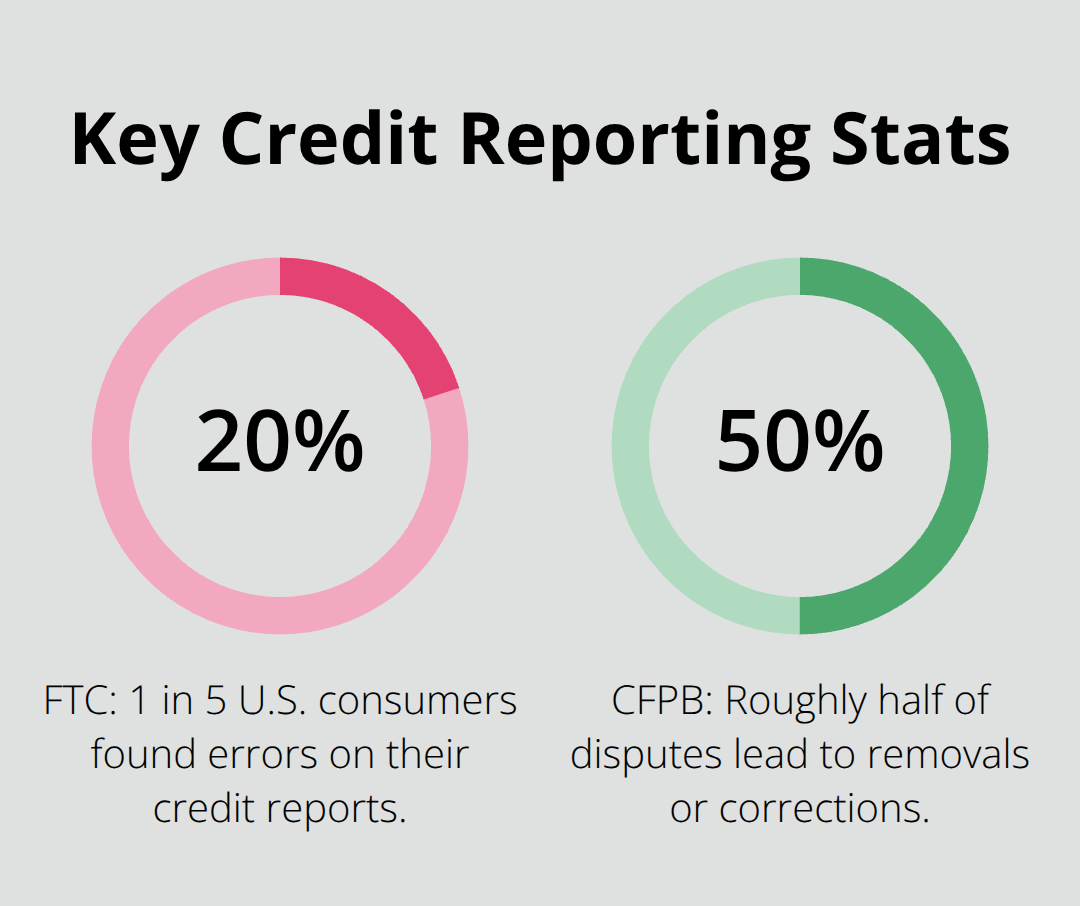
Credit reporting agencies compile your information to create credit scores and reports that lenders, landlords, employers, and insurance companies use to make decisions about you. The Federal Trade Commission reports that one in five consumers found errors on their credit reports, and many of those errors directly lowered their credit scores. These errors range from accounts that don’t belong to you to incorrect payment statuses on legitimate debts.
Your Right to Access Your Credit Report
You have the right to access your full credit report for free once every 12 months through AnnualCreditReport.com, the official government-authorized site. California law goes further than federal requirements by giving you the right to freeze your credit for free at any time, which blocks credit reporting agencies from sharing your information without your permission. This freeze stays in place until you remove it, protecting you from unauthorized access even if someone steals your identity.
How to Dispute Errors Effectively
When you find an error on your credit report, you must dispute it in writing with the credit reporting agency. The agency then has 30 days to investigate and verify the information with the creditor who reported it. If the creditor cannot verify the debt, the agency must remove it from your report.
Many people make the mistake of disputing online or by phone, but the FCRA requires written disputes to create a paper trail. Send your dispute letter certified mail with return receipt so you have proof of delivery. Include the specific account number, the error you found, and why you believe it’s wrong.
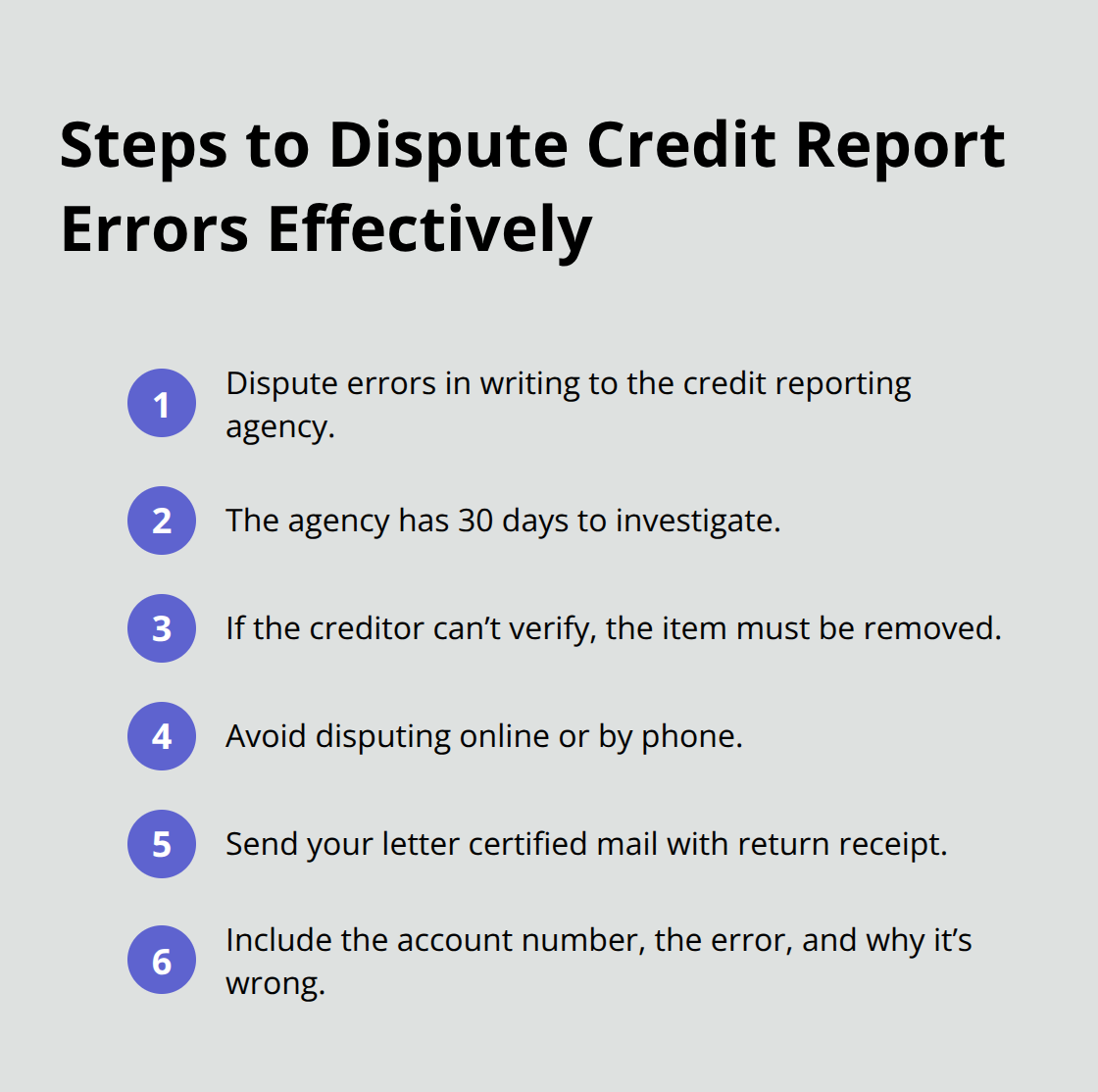
The Consumer Financial Protection Bureau found that roughly 50% of disputes result in changes to credit reports, meaning half of disputed items get removed or corrected. California residents can also dispute directly with the creditor who reported the error, giving you two paths to correction. If the agency fails to investigate properly or ignores your dispute, you have grounds for legal action against them-which brings us to the violations that happen when agencies break these rules.
FCRA Violations That Damage Your Credit
Credit reporting agencies violate the FCRA constantly, and most violations follow predictable patterns that directly harm your finances. The Consumer Financial Protection Bureau received over 2,000 complaints about credit reporting agencies in 2024 alone, with many involving the same violations repeated year after year. These aren’t accidents-they’re systemic failures that agencies commit because the penalties feel small compared to the cost of fixing their systems. The most destructive violations are reporting information that should have aged off your report, refusing to investigate disputes properly, and allowing unauthorized access to your credit file.
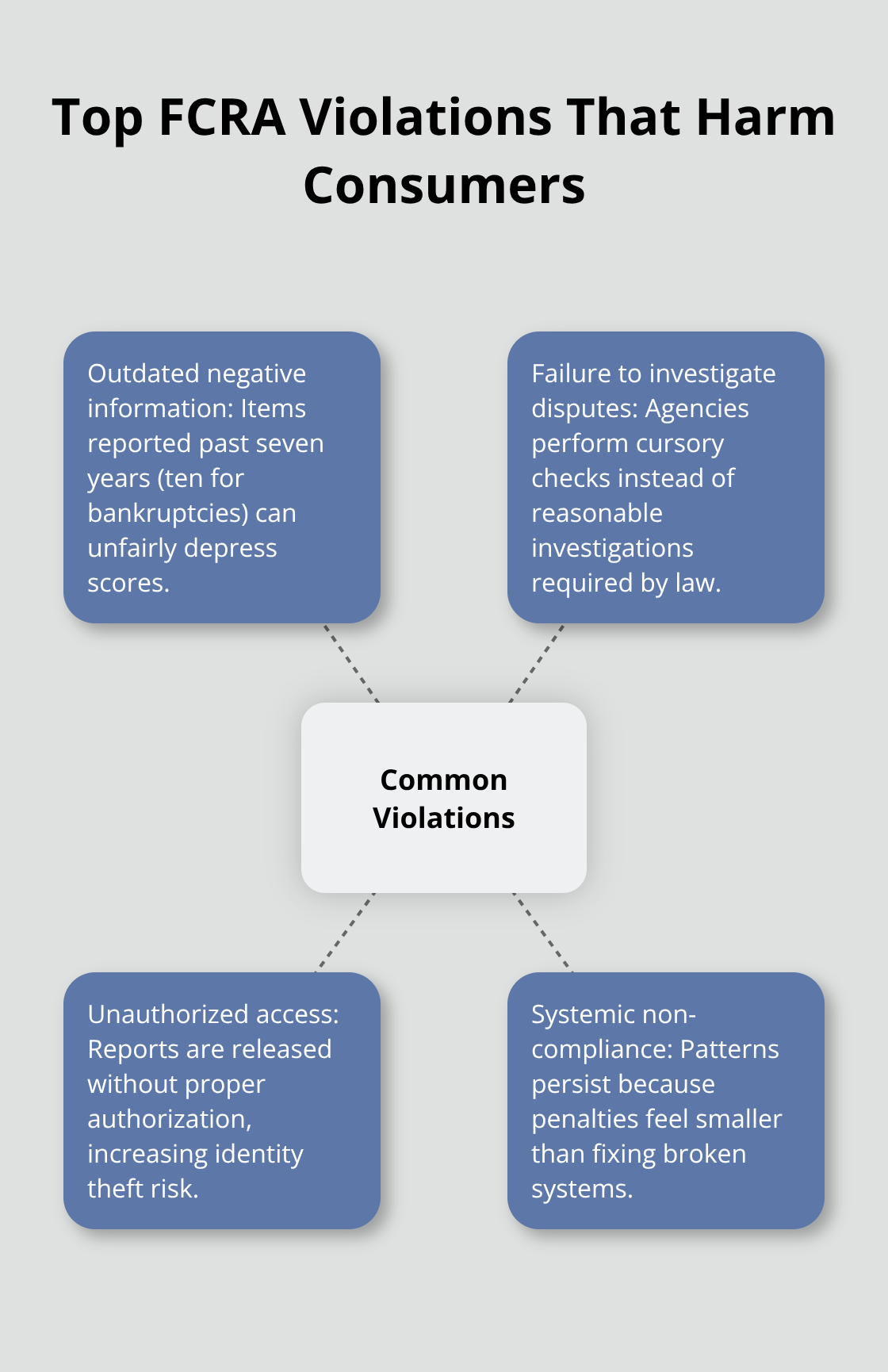
Each violation carries real consequences that tank your credit score, cost you money in higher interest rates, and can destroy your chances of getting approved for housing or employment.
Outdated Negative Information Still Haunts You
Credit reporting agencies must remove negative information after seven years, with bankruptcies staying for ten years. Yet the Federal Trade Commission found that many agencies continue reporting accounts well past their expiration date, and most consumers never catch it. A late payment from 2015 should be gone by now, but if it’s still appearing on your report in 2026, that’s a clear violation. The impact is severe-a seven-year-old late payment that’s still being reported can lower your credit score by 50 to 100 points. When you dispute aged negative information, the agency must prove it hasn’t exceeded the reporting period. If they can’t verify the age or confirm it’s still within the legal window, they must remove it immediately. Most people assume old negative items will automatically disappear, but that’s wrong. You must actively dispute them to force removal, and if the agency refuses, you have grounds for a lawsuit.
Agencies Ignore Disputes Instead of Investigating
The FCRA requires credit reporting agencies to investigate your disputes within 30 days and verify information with the creditor. In practice, many agencies conduct no real investigation at all. They send a form letter to the creditor asking if the account is accurate, and when the creditor doesn’t respond or confirms the information, the agency considers the dispute resolved. This violates the FCRA’s requirement for a reasonable investigation. If an agency fails to investigate or conducts an inadequate investigation, you can sue for actual damages, attorney fees, and statutory damages up to $1,000 per violation. The key is documenting everything. Keep copies of your dispute letter, the agency’s response, and any evidence showing their investigation was insufficient. If the dispute result hasn’t changed after 30 days, or if the agency’s response doesn’t address your specific claims, send a second dispute letter certified mail and reference your previous dispute. This creates a paper trail showing willful non-compliance.
Unauthorized Access Exposes Your Information
Credit reporting agencies must limit who can access your credit report to people with a legitimate business need. Employers, lenders, landlords, and insurance companies have legitimate reasons, but random third parties do not. Unauthorized access happens when an agency provides your report to someone without proper authorization or fails to authenticate requests before releasing information. This violation is particularly dangerous because it often leads to identity theft. California law gives you the right to know who accessed your credit report. You can request this information from the credit reporting agency, and they must provide an accounting of disclosures. If you find unauthorized access, dispute it immediately and file a complaint with the Consumer Financial Protection Bureau. When violations stack up across multiple categories, your legal options expand significantly.
Your Legal Options When Your FCRA Rights Are Violated
File a Complaint with the Consumer Financial Protection Bureau
The Consumer Financial Protection Bureau accepts complaints online through their website and investigates violations without recovering money for you directly. You should include documentation of the violation, copies of your dispute letters, and the agency’s response when you file. The CFPB published data showing they received over 2,000 complaints about credit reporting agencies in 2024, with most involving failure to investigate disputes or reporting outdated information. Filing with the CFPB creates an official record that strengthens your position if you later pursue legal action and signals to the credit reporting agency that you take enforcement seriously. This complaint becomes part of the public record and contributes to regulatory pressure on agencies that accumulate numerous violations.
Sue the Credit Reporting Agency Directly
The real leverage comes from suing the credit reporting agency directly under the FCRA. You can file a lawsuit in California state court or federal court, and the law allows you to recover actual damages (money you lost due to the violation), statutory damages up to $1,000 per violation, and attorney fees. Many violations involve multiple accounts or repeated failures to investigate, which means multiple violations stacked together. If an agency reported outdated negative information on three different accounts and failed to remove them after you disputed each one, that amounts to potentially three separate violations worth up to $3,000 in statutory damages alone, plus your actual damages and attorney fees.
Leverage California’s Stronger Protections
California residents have stronger protections than most states-you can sue for violations of both federal FCRA requirements and California’s specific consumer protection laws, which sometimes allow additional damages. An inaccurate account on your report that caused a lender to deny your mortgage application represents quantifiable actual damage. A violation that prevented you from getting approved for an apartment also constitutes damages. The key is documenting everything meticulously: keep all dispute letters, certified mail receipts, the agency’s responses, and evidence showing how the violation harmed you financially.
Build Your Case with Solid Documentation
Documentation transforms a complaint into a winnable case. Collect copies of your original dispute letters sent certified mail, the credit reporting agency’s written responses, your credit reports showing the violations, and any communications with lenders or landlords that reference the inaccurate information. If you can show that a violation directly caused you to lose money (denied loan, higher interest rate, lost housing opportunity), you have actual damages to claim. Multiple violations on the same report or repeated failures to investigate after you disputed the same account strengthen your position considerably. When you have substantial documentation and clear violations, consulting with a consumer protection firm makes financial sense. Bontrager Law, a Los Angeles-based firm with nearly 20 years of experience representing California consumers in FCRA cases, handles thousands of claims and has recovered millions in damages. A free case review identifies which violations apply to your situation and whether filing suit makes financial sense for your circumstances.
Final Thoughts
Your FCRA rights in California give you concrete legal tools to fight credit reporting errors and hold agencies accountable. The protections outlined here-your right to access your report, dispute inaccurate information, and challenge violations-exist because credit reporting agencies have a documented history of ignoring consumer rights. You now understand that outdated negative information must be removed, that agencies must investigate disputes properly, and that unauthorized access violates federal law.
If you find errors on your credit report, act immediately by requesting your free annual report through AnnualCreditReport.com, reviewing it carefully for inaccuracies, and sending a written dispute letter certified mail to the credit reporting agency. Document everything: keep copies of your letters, the agency’s responses, and any evidence showing how the error harmed you financially. If the agency fails to investigate within 30 days or refuses to remove information that violates FCRA rules, you have grounds for legal action.
Many California consumers recover damages they never knew they could claim, as actual damages from denied loans or higher interest rates combine with statutory damages up to $1,000 per violation, plus attorney fees. When violations stack up across multiple accounts or the agency repeatedly ignores your disputes, your case becomes stronger and your recovery potential increases. Contact us at njb.legal for a free case review to identify which violations apply to your situation and whether filing suit makes financial sense for your circumstances.