
Identity theft can destroy your financial life in weeks. Criminals open accounts, take out loans, and file tax returns using your name and Social Security number.
We at Bontrager Law help victims understand what happened and recover damages. During an identity theft case review, we examine your credit reports, trace fraudulent accounts, and identify who’s responsible for the theft.
What We Review in Your Case
During your free case review, we examine your credit reports from all three bureaus-Equifax, Experian, and TransUnion. Fraudulent accounts typically appear first on these reports. We look for accounts you didn’t open, inquiries you didn’t authorize, and payment histories that don’t match your actual behavior. The Federal Trade Commission reports that identity theft victims spend an average of 16 hours resolving the damage, yet many miss accounts entirely because they don’t know where to look. We systematically go through each report line by line to catch what you might have overlooked.
Tracing the Paper Trail
We gather documentation from financial institutions and creditors to build your case foundation. This includes account statements, loan applications, and authorization records. When someone opens a fraudulent credit card in your name, the issuer maintains records showing the application, the address where statements were sent, and the transactions. We request these documents because they often contain details that identify the thief-a phone number, email address, or shipping address that doesn’t belong to you. We also pull your Social Security number usage records and cross-reference them against credit inquiries. If a loan was filed in your name, we track down the lender and obtain the application paperwork.
Identifying Responsible Parties
We examine which entities failed in their duty to verify your identity or detect suspicious activity. A creditor who issued an account without proper verification bears responsibility. A credit bureau that failed to investigate your dispute also carries liability. We identify whether you have claims against one party or multiple parties (creditors, bureaus, or both). This step determines who you can hold accountable and which defendants will appear in your case.
Assessing Your Claim’s Strength
We evaluate whether you have a viable claim by examining three factors: the scope of fraud, the financial impact, and the parties responsible. If someone opened a single fraudulent account that was caught quickly with minimal damage, your case has lower value than if they opened ten accounts, obtained a loan, and filed fraudulent tax returns in your name. We calculate your actual losses-unauthorized charges, credit monitoring costs, time spent resolving the fraud. We then determine whether pursuing legal action makes financial sense based on the damages available and the strength of evidence against each defendant.
Common Identity Theft Scenarios We Handle
Unauthorized Credit Accounts
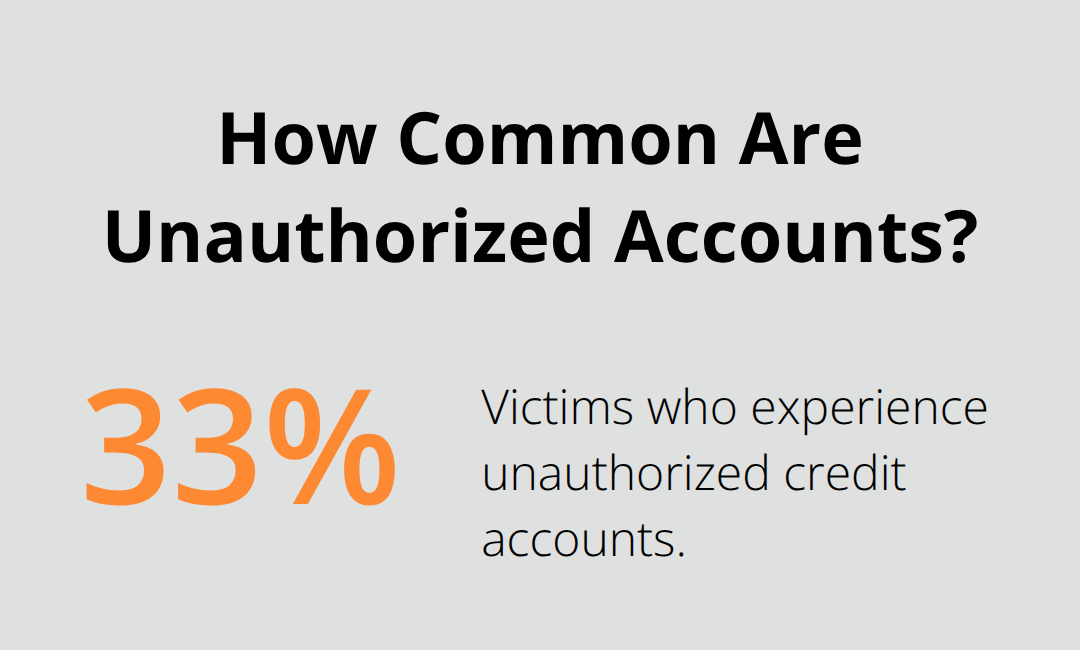
Unauthorized credit accounts represent the fastest way criminals damage your finances. A thief opens a credit card, retail account, or line of credit using your name and Social Security number, then maxes it out before disappearing. The account appears on your credit report immediately, tanking your score within days. Javelin Strategy & Research data shows this happens to roughly 33% of identity theft victims. What makes these cases strong is the evidence trail-credit card companies maintain detailed application records showing the address where statements were mailed, the phone number used to activate the card, and the IP address from the application.
When that address or phone number doesn’t match your actual residence, you have proof the creditor failed basic verification. The creditor should have caught this before approving the account. Most creditors rely on automated systems that check your Social Security number against credit bureaus but skip address verification entirely. That negligence becomes your legal advantage.
Fraudulent Loans and Tax Fraud
Fraudulent loans and tax fraud cases carry substantially higher damages because the financial impact is severe. Someone takes out a personal loan, auto loan, or mortgage in your name, and you don’t discover it until collections calls start arriving or you apply for your own loan and get denied. Tax fraud happens when a criminal files a return using your Social Security number and claims your refund. The IRS reports receiving over 1 million suspicious returns annually, with many linked to identity theft. Loan applications require wet signatures that forensic document examiners can analyze-comparing the fraudulent signature to your actual signature reveals the fraud. For tax fraud, IRS transcripts show what was filed fraudulently versus what you actually owe. These cases generate larger settlements because the damages include the full loan amount, interest charges, credit monitoring costs, and compensation for the time you spent resolving the fraud. One victim had someone take out a $35,000 auto loan in her name; the damages extended far beyond the fraudulent charges because the loan destroyed her ability to refinance her actual mortgage.
Social Security Number Misuse
Social Security number misuse extends beyond credit fraud into employment and government benefits. A criminal uses your number to open utility accounts, obtain cell phone contracts, or file for unemployment benefits. Cases involving fraudulent unemployment claims are particularly damaging because someone collected months of benefits while you remained unaware. Multiple agencies hold your information, making the fraud harder to contain. The Social Security Administration maintains records of all inquiries on your number, and these records identify every place your number was used fraudulently. Utility companies and phone carriers maintain application records similar to credit card issuers, so you can gather those documents to establish who failed to verify your identity. The strength of these cases depends on how many entities received fraudulent applications using your number-one bad utility account is weaker than five accounts across different companies and government agencies (which demonstrates a pattern of negligence in identity verification practices). When you work with Bontrager Law, we systematically identify each fraudulent use of your Social Security number and build your case against every responsible party.
How We Build Your Identity Theft Case
Gathering Documentation from Every Source
We start by pulling everything. Credit reports from Equifax, Experian, and TransUnion show the fraudulent accounts, but they don’t show the full story. We request the actual application paperwork from every creditor who opened a fraudulent account in your name. Credit card companies maintain detailed records including the application date, the address where statements were mailed, the phone number used to activate the card, the email address provided, and the IP address from the online application. When we compare this information to your actual residence and contact details, inconsistencies emerge that prove the creditor failed basic identity verification.
We also obtain your credit inquiry history from the bureaus, which shows every time someone pulled your credit report. Unauthorized inquiries often cluster around the time fraudulent accounts were opened. We then request Social Security Administration records showing all inquiries on your number, and we pull utility company applications, cell phone contracts, and loan documents. Each document tells us something different-a credit card application might show a shipping address in another state, a utility account might show a phone number that belongs to someone else, a loan application might contain a forged signature. We systematically assemble these pieces because together they form an undeniable pattern of fraud and negligence.
Identifying Liable Parties
Identifying who bears responsibility requires understanding how each entity failed. A credit card issuer who approved an application without verifying the applicant’s address is liable. Equifax, Experian, or TransUnion failed if they didn’t investigate when you disputed fraudulent accounts appearing on your report. The Fair Credit Reporting Act requires credit bureaus to investigate disputes within 30 days, yet many dismiss disputes without contacting the creditor or requesting documentation.
Calculating Your Actual Damages
We calculate your actual damages with precision. We document every fraudulent charge, every month your credit suffered damage, every credit monitoring service you purchased, and every hour you spent resolving the theft. We also calculate consequential damages like higher interest rates you paid on legitimate loans because your credit score was destroyed, or denied credit applications that cost you opportunities. Some victims lost job offers because employers ran credit checks and saw the fraud. Others paid thousands more for auto insurance because credit-based insurance scores dropped.
We quantify the financial impact precisely because that number drives whether defendants settle or proceed to litigation. A victim with ten fraudulent accounts, a fraudulent tax return filed in her name, and a $25,000 auto loan taken out fraudulently has substantially different damages than someone with a single maxed-out credit card that was caught within weeks. The scope of fraud, the number of responsible parties, and the total financial harm all determine settlement value and litigation strategy.
Final Thoughts
Your identity theft case review with us at Bontrager Law produces a clear picture of what happened and who bears responsibility. We walk you through every fraudulent account, explain the evidence we’ve gathered, and tell you exactly what your claim is worth-no vague promises or theoretical scenarios, just concrete numbers based on your actual damages and the strength of our evidence against each defendant. The next step depends on what we find during your review: if your case is strong, we move into active case building and handle all communication with defendants so you don’t spend more time on this.
We file disputes with credit bureaus on your behalf to remove fraudulent accounts from your reports and work with you to place fraud alerts and credit freezes that prevent further damage. We also help you understand what happened so you can take steps to protect yourself going forward-monitoring your credit regularly, setting up account alerts, and reviewing your credit reports at least annually. If settlement negotiations begin, we push for maximum recovery based on the scope of fraud and the financial harm you’ve suffered.
We at Bontrager Law have spent nearly 20 years representing identity theft victims across California and recovered millions in damages for people whose lives were turned upside down by fraud. Your free identity theft case review costs nothing and obligates you to nothing-we simply want to understand your situation and tell you whether we can help.